QA, QC & Safety in India’s AEC Industry | Chenab Rail Bridge Case Study
Introduction
Quality Assurance (QA), Quality Control (QC), and Safety are critical pillars of success in the Architecture, Engineering, and Construction (AEC) industry. As India accelerates infrastructure development from metro systems to mega bridges, robust quality and safety practices are essential to minimise rework, control costs, and protect human lives.
Despite their importance, consistent implementation remains a challenge. This article explores key gaps in India’s AEC sector, practical solutions, and insights from the iconic Chenab Rail Bridge.
Understanding QA, QC, and Safety in Construction
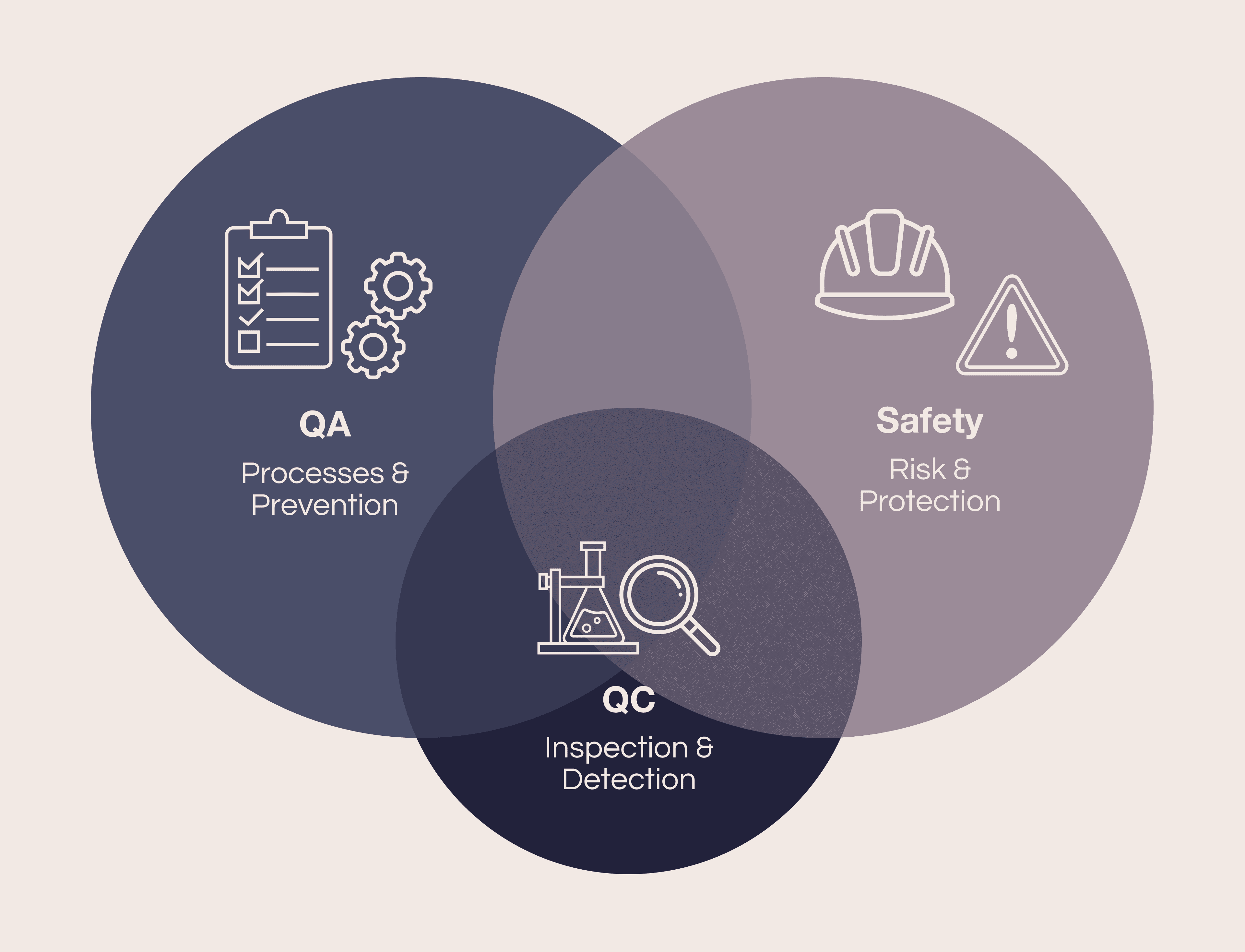
While often used together, these three functions serve distinct roles:
Quality Assurance (QA): Focuses on preventing defects through structured processes such as planning, audits, and workforce training
Quality Control (QC): Involves detecting defects through inspections, testing, and documentation
Safety: Ensures risk mitigation by addressing hazards, preventing accidents, and safeguarding workers
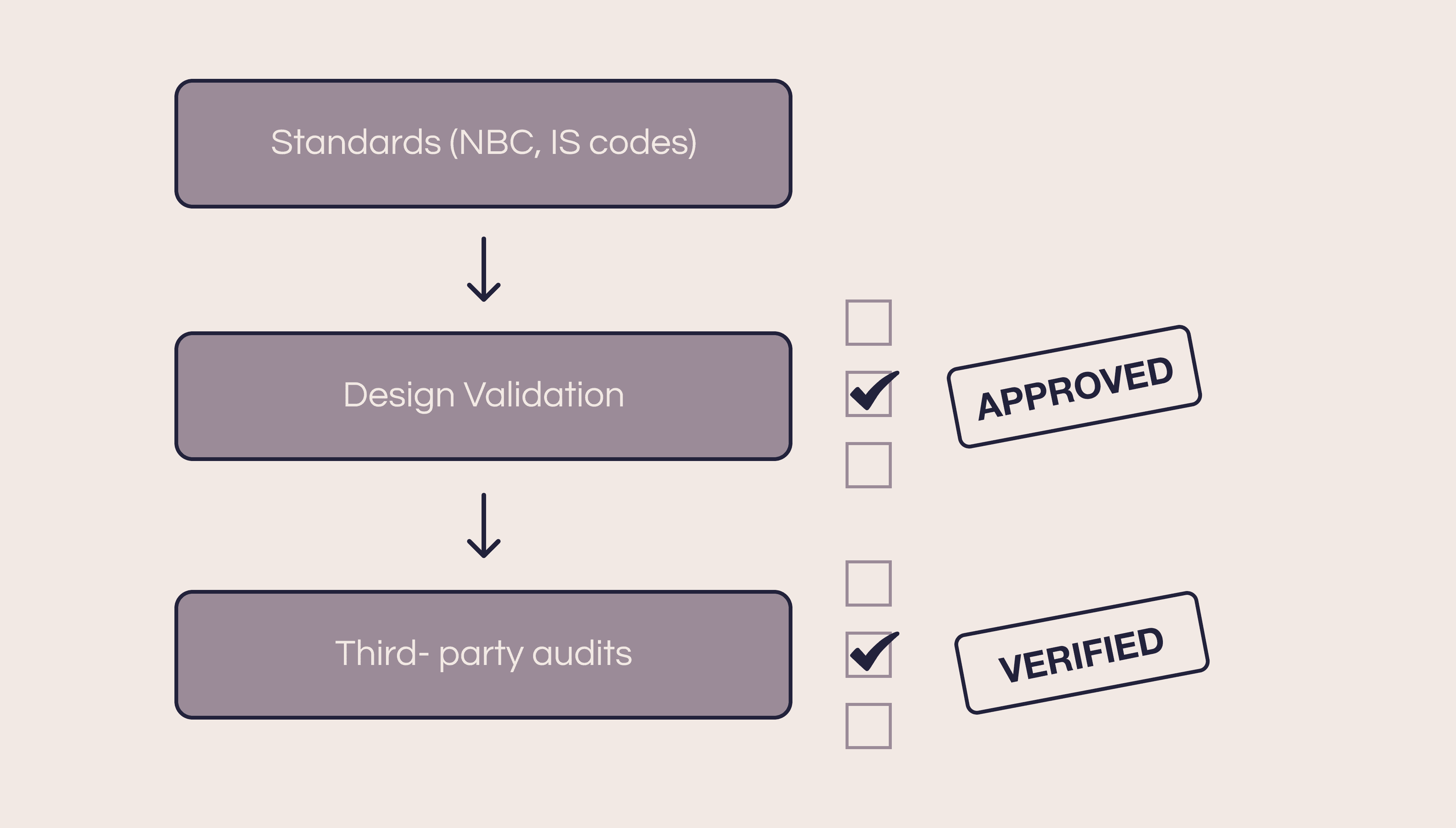
In India, these practices are guided by frameworks like the National Building Code (NBC 2016) and IS codes, but execution often varies across projects.
Key Challenges in India’s AEC Industry
1. Cost and Time Pressures
Competitive bidding often prioritises the lowest cost, forcing contractors to compress timelines. This can result in skipped inspections and incomplete testing.
2. Skill and Cultural Gaps
A shortage of trained QA/QC professionals, combined with high workforce turnover, weakens quality systems. In many cases, quality is treated as a compliance requirement rather than a strategic priority.
3. Poor Documentation Practices
Inconsistent or incomplete records reduce traceability, making it difficult to identify root causes of defects or enforce accountability.
4. Fragmented Standards and Enforcement
Variations in client expectations and contract terms often lead to reactive problem-solving instead of proactive quality management.
5. Safety Risks in the Informal Workforce
With a large proportion of informal labour, construction sites face increased risks such as falls, structural failures, and inadequate hazard awareness.
Proven Strategies to Improve QA, QC, and Safety
Leading firms in India are addressing these challenges through a combination of global standards and local adaptation:
Implement a Robust Quality Management System (QMS)
Aligning ISO 9001 frameworks with Indian Standards ensures consistency across projects and reduces variability.
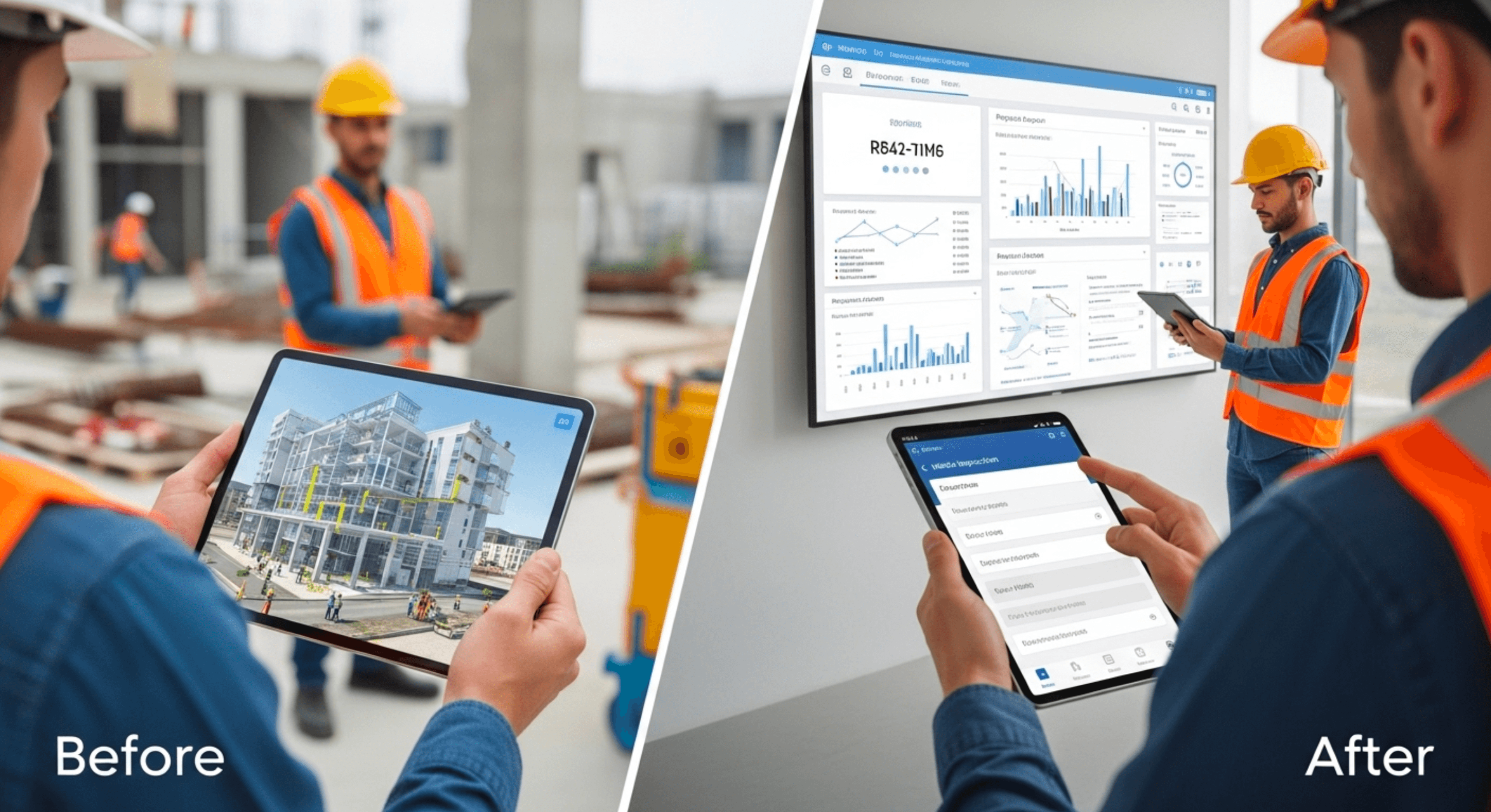
Leverage Digital Tools
Technologies such as BIM, mobile inspection apps, and real-time reporting systems enable faster issue detection and reduce rework.
Strengthen Leadership Accountability
When senior management owns quality KPIs and enforces regular audits, compliance improves significantly.
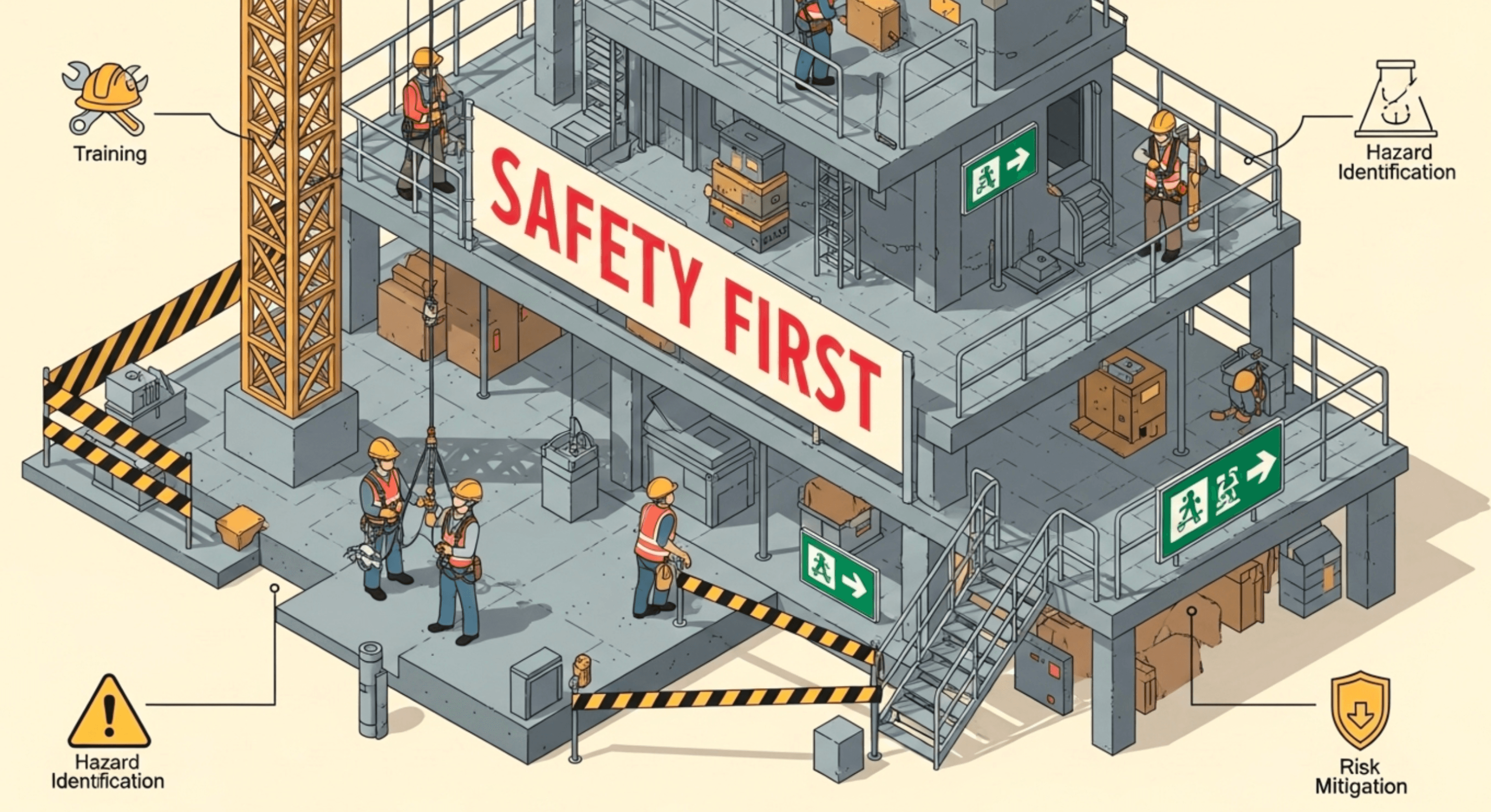
Build a Safety-First Culture
Daily briefings, hazard identification, PPE enforcement, and emergency preparedness should be integrated into routine operations not treated as add-ons.
Industry Insight: Projects with strong QMS adoption report 20–40% fewer defects and improved client satisfaction.
Case Study: Chenab Rail Bridge – A Benchmark in QA, QC, and Safety
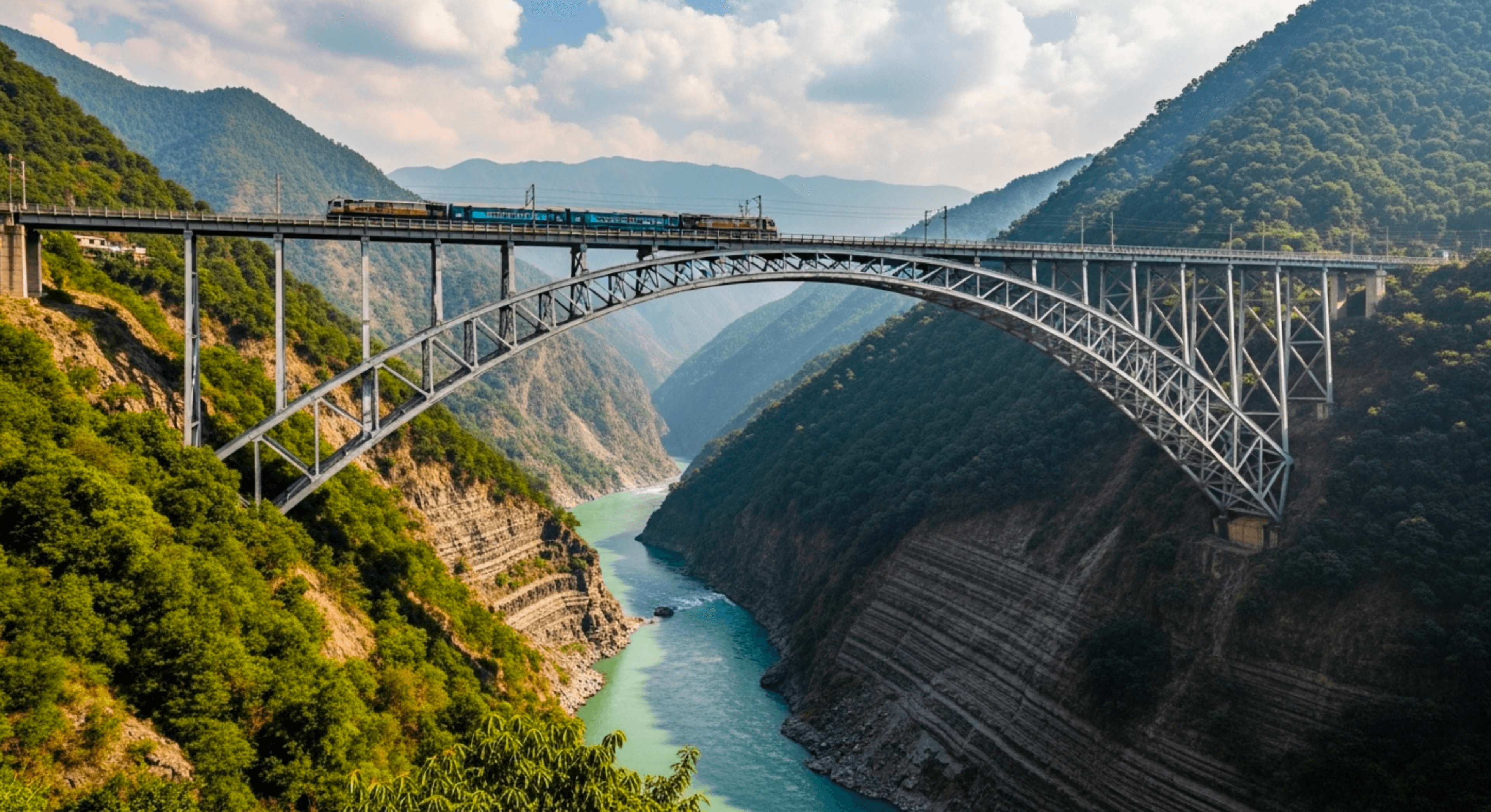
The Chenab Rail Bridge represents one of the most advanced applications of integrated quality and safety practices in India’s infrastructure sector.
Project Overview
Part of the Udhampur-Srinagar-Baramulla Rail Link (USBRL), this 1,315-metre-long steel arch bridge provides all-weather connectivity to Kashmir. Constructed in a highly seismic zone with extreme terrain and security concerns, the project required multiple design reviews before completion in 2025.
QA Excellence
Multi-code design approach combining Indian standards with international benchmarks
Independent verification by experts from Indian Institutes of Technology and global consultants like WSP Finland
Designed lifespan of 120 years supported by wind tunnel testing and seismic analysis
Use of high-grade, blast-resistant steel and corrosion protection systems
QC Rigor
Extensive structural steel fabrication with advanced welding and non-destructive testing
On-site laboratories for material testing and validation
Real-time structural health monitoring systems to track performance
Integrated Safety Systems
Designed to withstand earthquakes up to magnitude 8, winds of 266 km/h, and extreme temperatures
Use of cable crane technology for safe construction in inaccessible terrain
Continuous surveillance and risk mitigation strategies in a high-security zone
Key Takeaways for AEC Professionals
Integrate QA, QC, and Safety early: Embed them into project planning and contracts
Invest strategically: Allocating even 1–2% of project cost to quality systems and training can significantly reduce rework
Adopt digital solutions: Real-time monitoring improves decision-making and accountability
Benchmark against global projects: Use projects like the Chenab Bridge as reference points for high-risk environments
Shift mindset: Treat quality and safety as value drivers, not cost centres
Conclusion
India’s AEC industry has the potential to match global standards, but it requires a shift from reactive practices to proactive systems. The Chenab Rail Bridge demonstrates how integrating QA, QC, and Safety with advanced engineering and technology can deliver world-class infrastructure, even under extreme conditions.
For future projects, the lesson is clear: sustained commitment to quality and safety is not optional it is foundational to long-term success.