Introduction
Project planning in construction is more than just drawing Gantt charts or estimating costs. It’s the process of defining how to execute, monitor, and control a project to ensure delivery within scope, time, and budget.
Key Elements of Project Planning
Setting objectives and defining project deliverables
Identifying roles and responsibilities
Scheduling activities and allocating resources
Planning for quality, communication, risks, and procurement
The Role of Planning Engineers: A Call for Method Thinking
Traditionally, planning engineers focus on time and cost, but that’s only part of the picture. Construction requires more than just charts—it requires engineers who can conceive construction methods and actively contribute to site strategy.
Unfortunately, many engineers are not trained to develop method statements or conduct practical planning. This gap is a critical weakness in the industry.
A Sequential Framework for Construction Methodology
To bridge this gap, we introduce a simple, five-step framework for developing and implementing effective construction methods—regardless of project type.
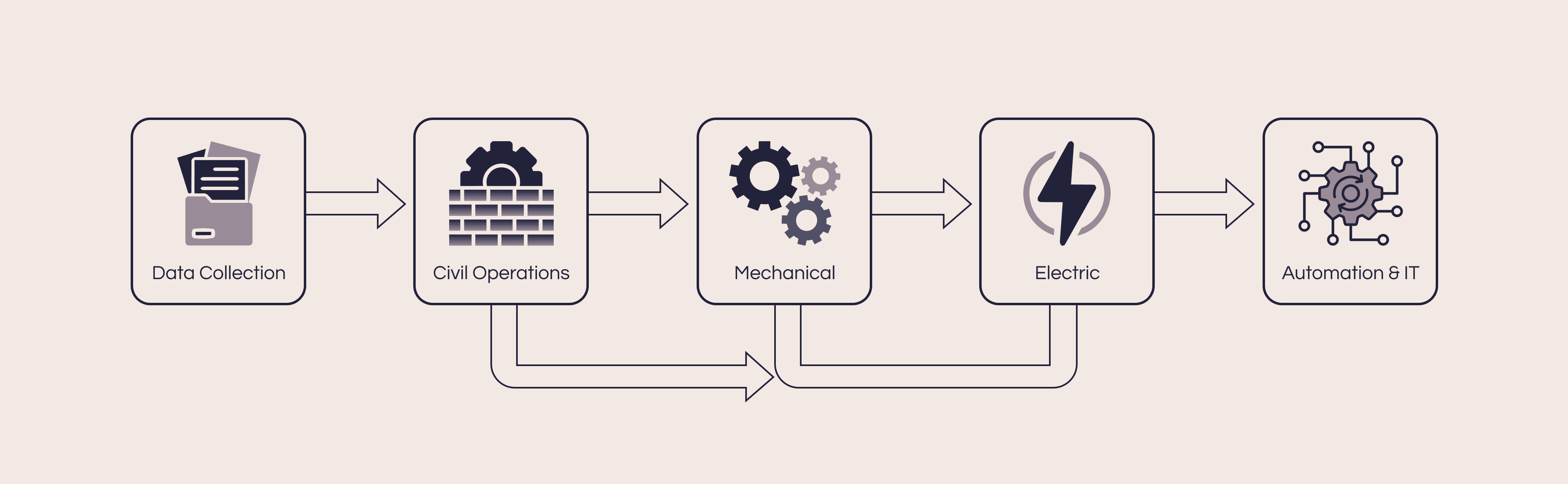
1. Data Collection & Surveying
Gather all the relevant site-specific data:
Topography
Soil conditions
Right of Way (ROW)
Existing utilities and constraints
2. Civil Operations
Define the essential building blocks:
Concrete, steel, bitumen
Sequence of work (foundation to finish)
Tolerances and benchmarks
This is where quality control begins.
3. Mechanical Operations
Use equipment to mechanize civil activities:
Excavators, batching plants, tower cranes
Productivity analysis
Equipment allocation strategies
Equipment must match both the method and the terrain.
4. Electrical Operations
Support mechanical systems with reliable:
Power supply
Cabling and automation control
Safety and backup systems
This layer improves efficiency and safety.
5. Automation & IT
Introduce tools for real-time data and control:
BIM, IoT sensors, digital twins
GPS tracking, automated scheduling
Cost and quality dashboards
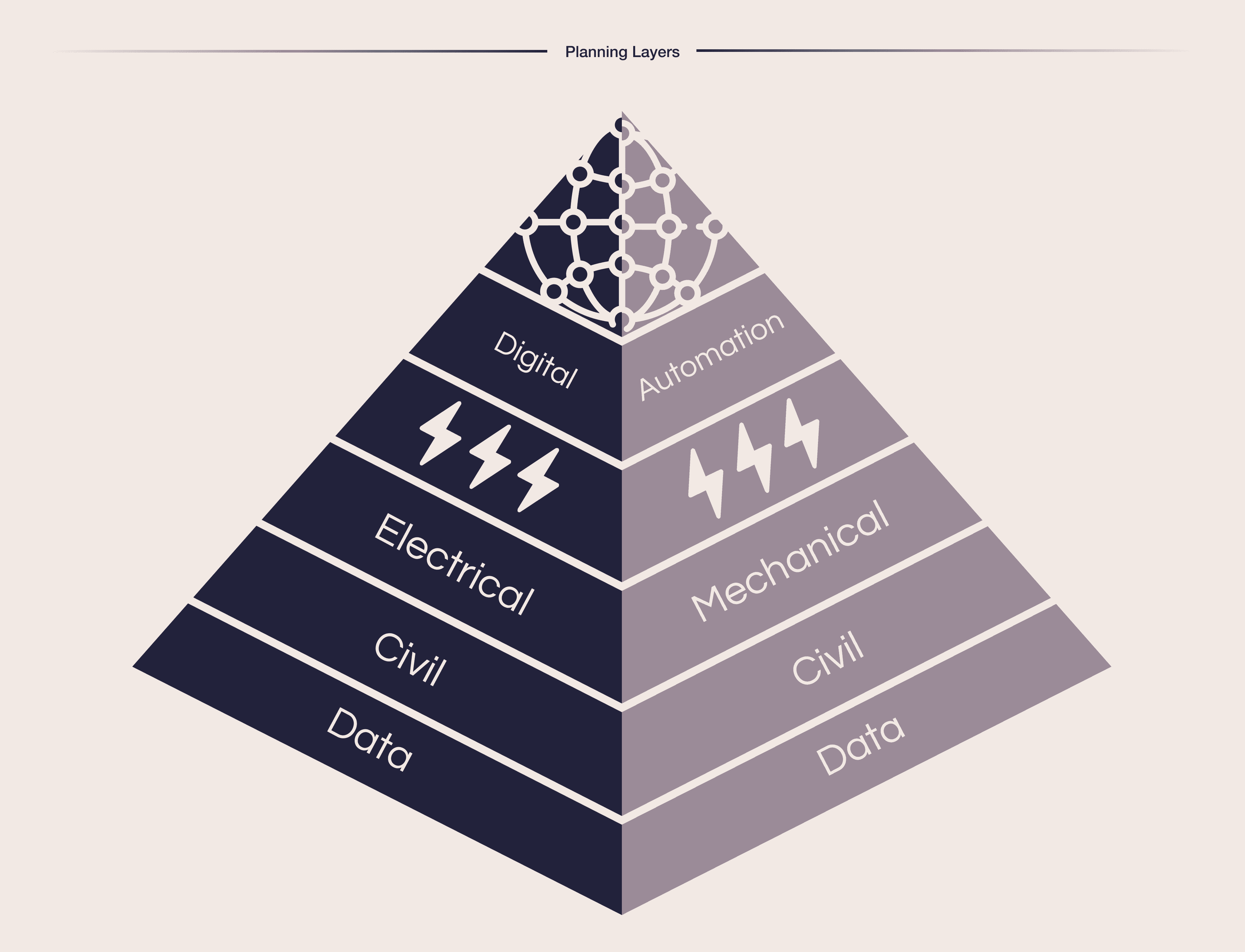
Why Is This Framework Needed?
Many construction professionals are not trained in structured method planning. Without this framework:
Site planning remains reactive
Technology integration is delayed
Execution lacks predictability
This model encourages engineers to think end-to-end, not just about outputs, but the process that leads to them.
Where Traditional Planning Falls Short
1. Distorted Purpose
Original goal (guiding execution) is lost
Planners focus too much on forecasting, not action
2. Weak Field Alignment
Site managers create informal short-term plans
Formal schedules are often ignored
3. Information Breakdown
Little time is spent on data collection or validation
Reporting tools are rigid and don’t support field needs
PMBOK Knowledge Areas: What Should Be Planned?
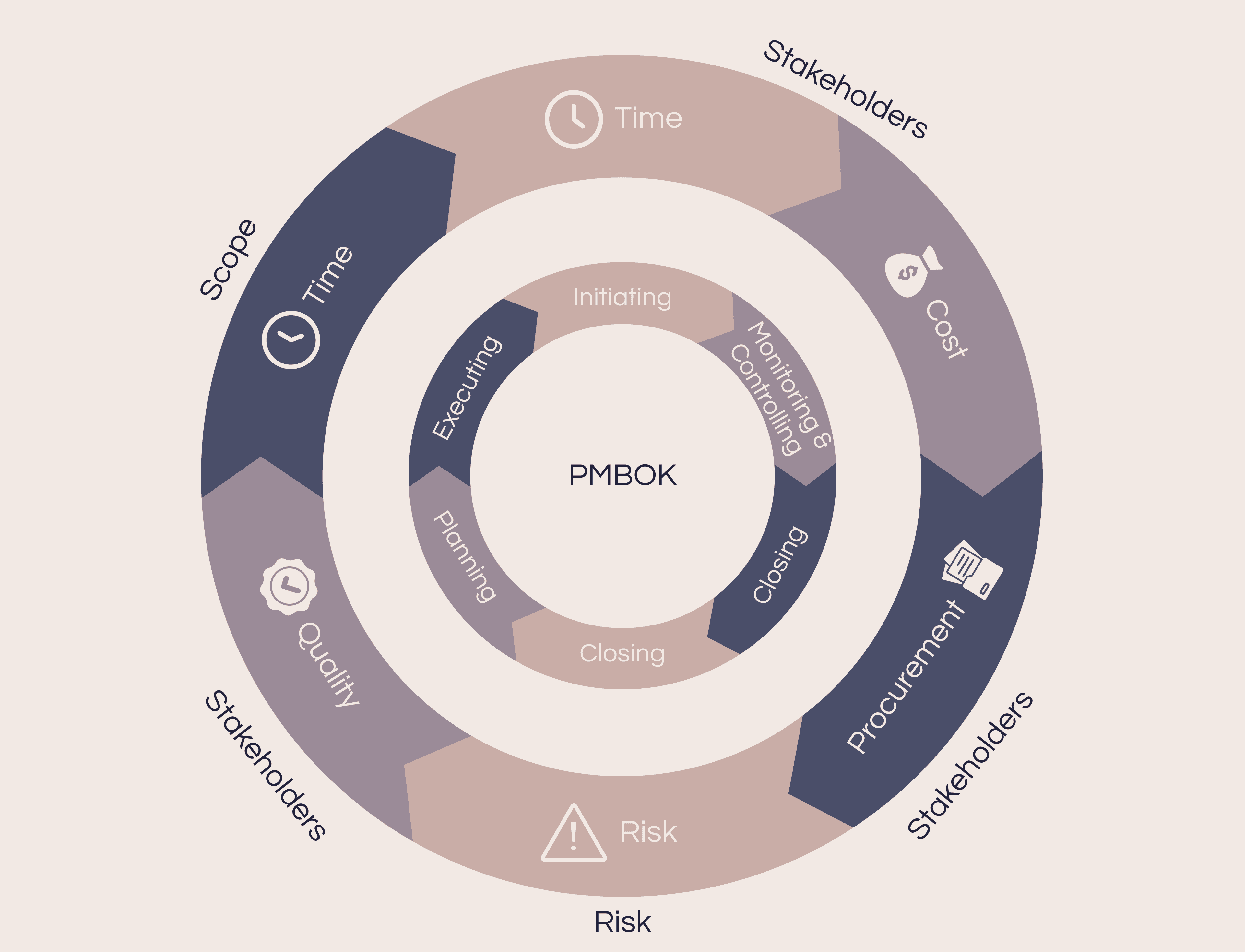
Knowledge Area | Key Planning Processes |
|---|---|
Integration Management | Develop Project Management Plan |
Scope Management | Plan Scope, Collect Requirements, Define Scope, Create WBS |
Schedule Management | Define Activities, Sequence, Estimate Durations, Develop Schedule |
Cost Management | Estimate Costs, Determine Budget |
Quality Management | Plan Quality Management |
Resource Management | Estimate Activity Resources |
Communications Management | Plan Communications |
Risk Management | Identify, Analyze, and Plan Risk Responses |
Procurement Management | Plan Procurement |
Stakeholder Management | Plan Stakeholder Engagement |
Key Takeaways
Planning isn’t just about tools—it’s about execution
Construction-specific planning frameworks are urgently needed
Training must focus on method development, not just scheduling software
Align formal plans with field conditions and continuously update them
Invest in cross-functional knowledge—civil, mechanical, electrical, and IT
Final Thoughts
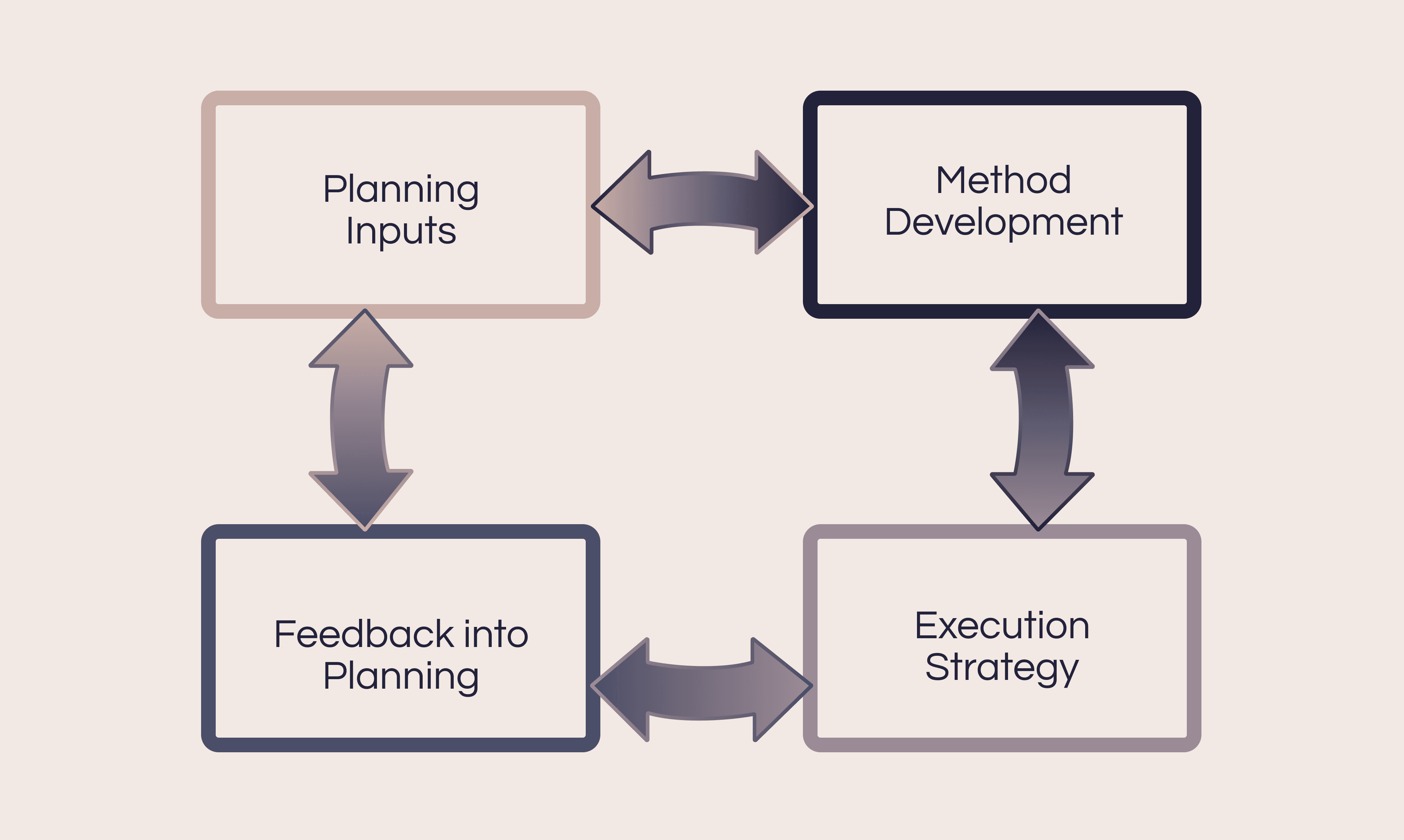
Construction project planning is not optional—it is essential to transforming abstract designs into reality. The framework above offers a practical, cross-disciplinary lens to equip engineers and managers with the tools and mindset needed to lead projects with confidence and clarity.
Let’s move beyond charts. Let’s build with insight.