Rajasthan has reported 335 completed Atal Pragati Paths within a programme of 765 village roads. The Chief Minister’s Office update of 27 October puts sanctioned cost at ₹1,686 crore and targets 31 January 2027 for the remaining works.
For contractors and public-works teams, the next useful disclosure would be a package list showing which roads have been accepted, which remain under construction and which still face a contracting or site-access decision. The published summary does not provide that reconciliation.
Three stages of the programme
The same update describes a separate FY2026–27 programme for renewing non-patchable roads and building missing links. It reports sanctions of ₹2,226 crore for 3,453 projects, with work orders issued for 2,836 projects covering 6,815 km. Those figures belong to that programme; they should not be combined with the Atal Pragati Path counts.
A sanction authorises a defined proposal. A work order establishes a contractual instruction. A completion count records a later stage, but readers still need the acceptance criteria and the date to which the count applies. Comparing the stages requires the same package identifiers throughout.
Without that link, a difference between two totals can be misread as delayed construction when it may include packages at several procurement stages. Equally, a completed-road count gives little information about unresolved drainage, local access or defects unless those items are included in the acceptance record. Neither explanation has been established for these works.
Why the road’s drainage belongs in the handover
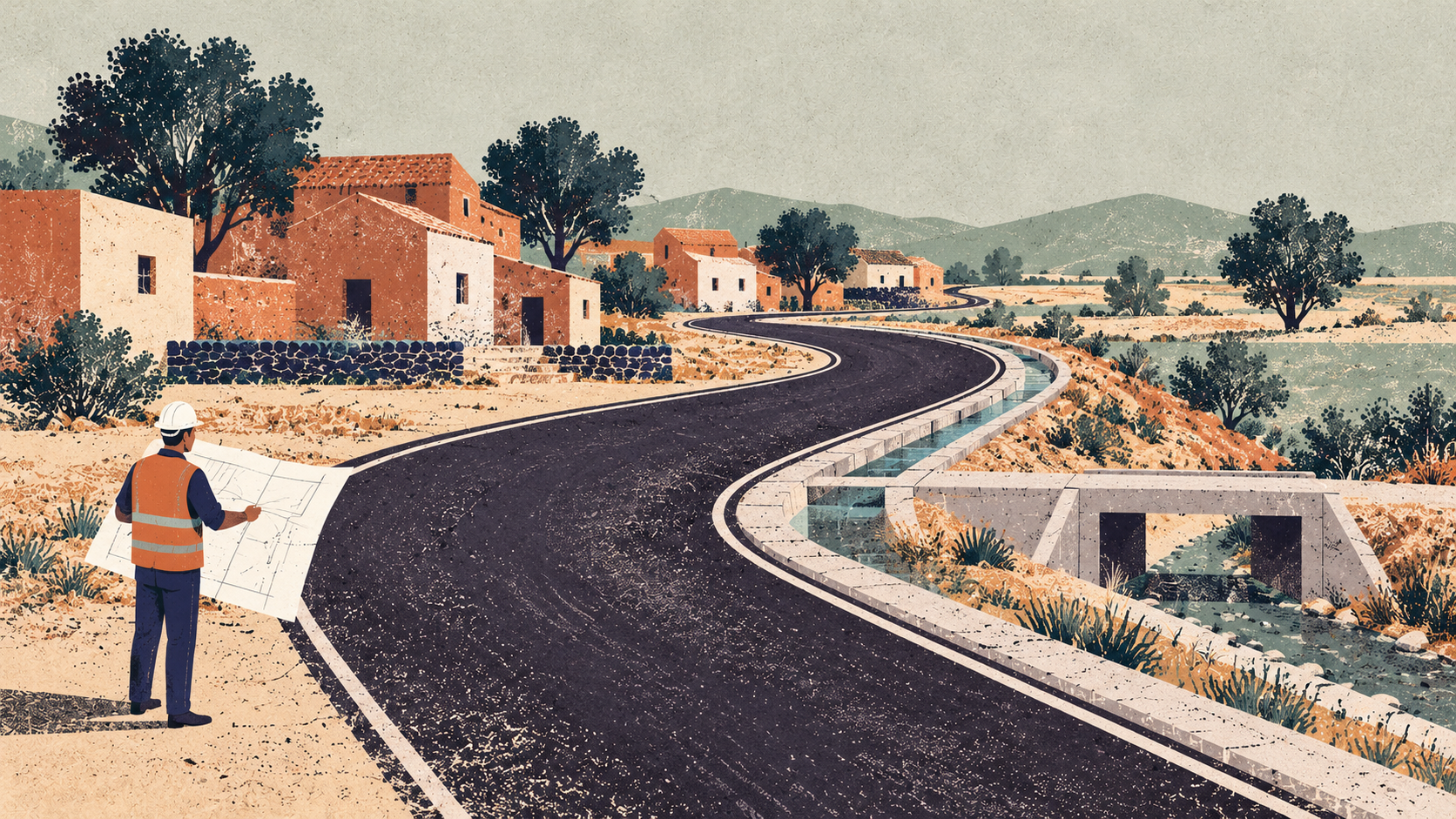
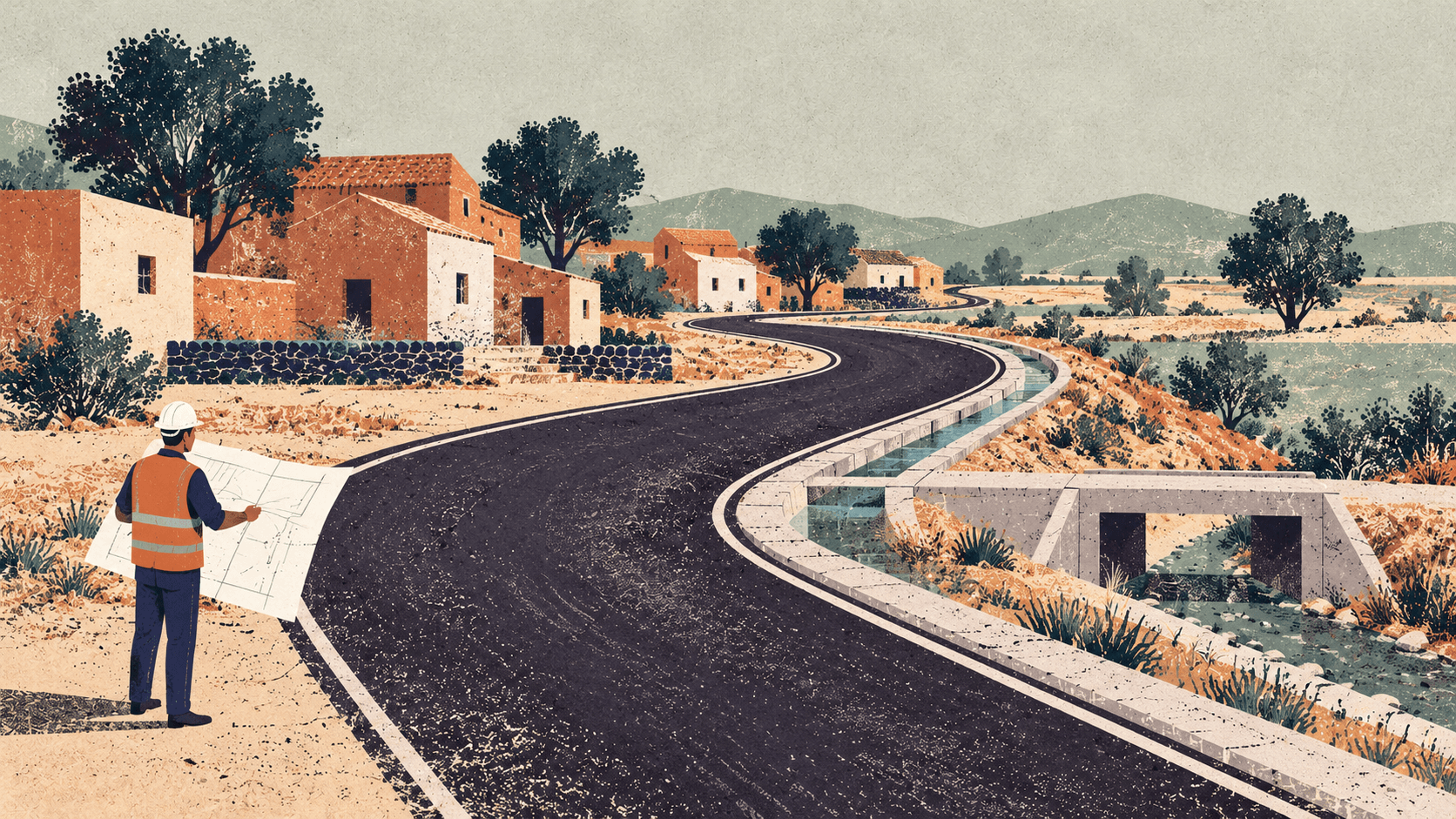
The state describes the village-path programme as addressing dust, mud and waterlogging. A useful engineering follow-up would therefore examine one accepted road from its carriageway to its drain and outfall: what was designed, what was measured and who will maintain it.
That investigation needs drawings and level records, the measured quantities accepted by the supervising engineer, and the responsibility for clearing drains and addressing defects. A photograph of new surfacing cannot answer all of those questions. There is no finding here that a particular completed path is defective.
What the spending figures can establish
The release contains several cost and spending claims with different scheme and time boundaries. It is not a statement of matched annual Budget Estimates and actual expenditure for each package. Dividing reported spending by sanctioned project cost would therefore produce a different measure from annual budget utilisation.
To assess expenditure, follow the relevant budget head and reporting period, then reconcile payments with accepted work. To assess delivery, examine the road and its service condition. Both records are useful, but neither can substitute for the other.
The next dated check
27 October 2026: the CMO publishes its programme update and reported completion counts.
31 January 2027: the state’s stated target for the remaining Atal Pragati Path works.
Before that target, the unanswered question is which named packages remain and what each needs to reach acceptance. A dated package register, supported by completion certificates and a maintenance owner, would allow the next update to be checked road by road.