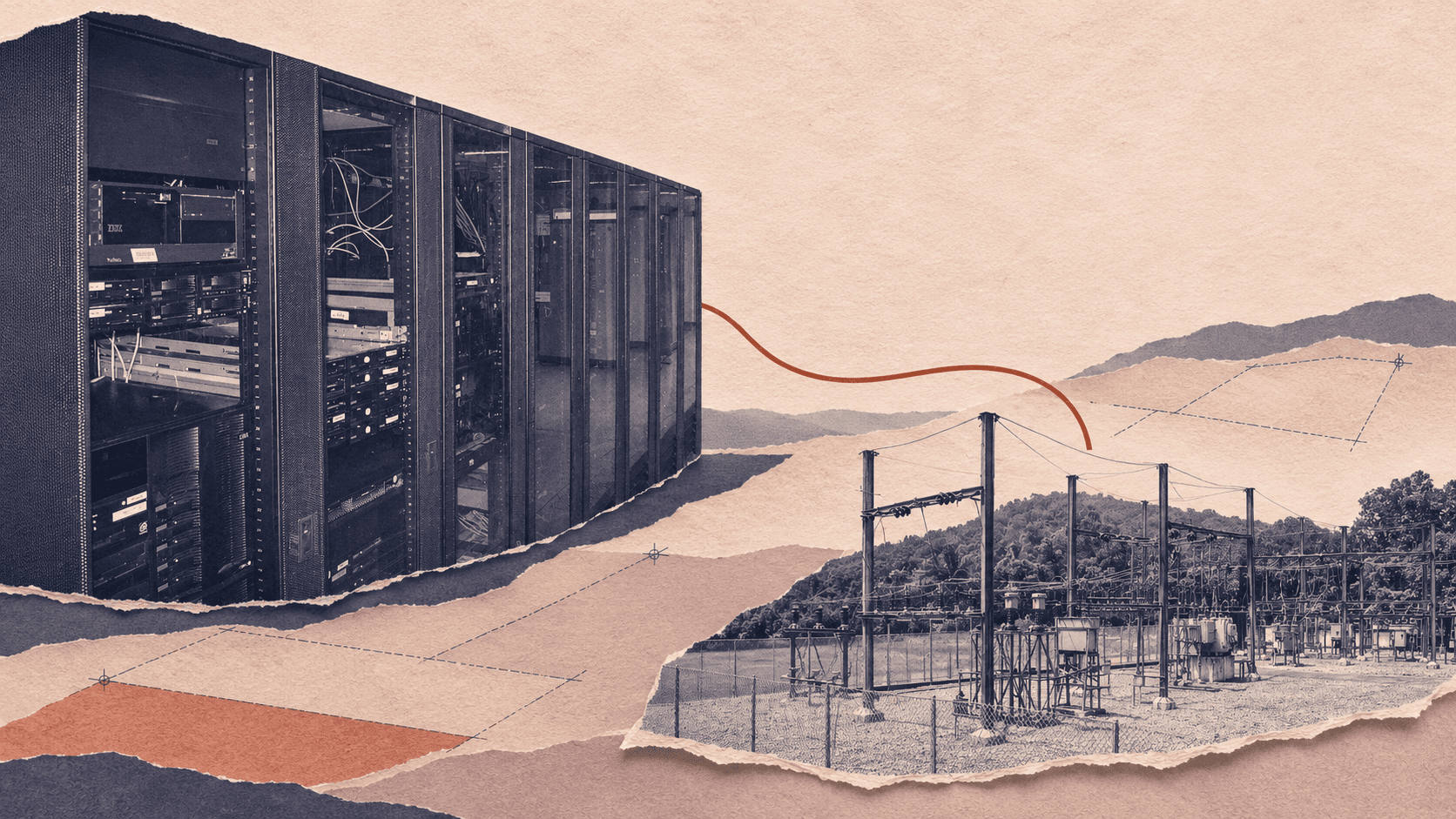
The Reserve Bank of India’s new Data Centre and Cybersecurity Training Institute in Bhubaneswar were inaugurated on 25 October, according to the Prime Minister’s Office statement. The construction story concerns the handover of a facility intended to support critical financial computing, alongside the people who will operate and protect such systems.
A 24 October PMO project brief describes four data centres intended to host payment and settlement systems and other RBI initiatives. It also says the facility is certified to Uptime Institute Tier IV. These are official descriptions of scope and certification; the documents reviewed do not supply a certificate number, its precise boundary or a workload-migration timetable.
What the Tier IV claim means for a construction reader
Uptime Institute’s classification guidance describes Tier IV as adding fault tolerance to the concurrently maintainable Tier III topology. In practical reporting terms, that directs attention to the power and cooling infrastructure supporting the computing load, rather than to the appearance or floor area of a building.
Certification also has stages. Uptime’s operational-sustainability guidance distinguishes the review of design documents, verification of the constructed facility and assessment of operations. Design and constructed-facility certification are prerequisites for its operational-sustainability rating.
The PMO’s short description does not identify which certification stage it refers to. This article therefore does not infer an operational-sustainability award or promise a numerical uptime figure. A project-specific certificate and its scope would resolve that narrower question.
The handover extends into operations
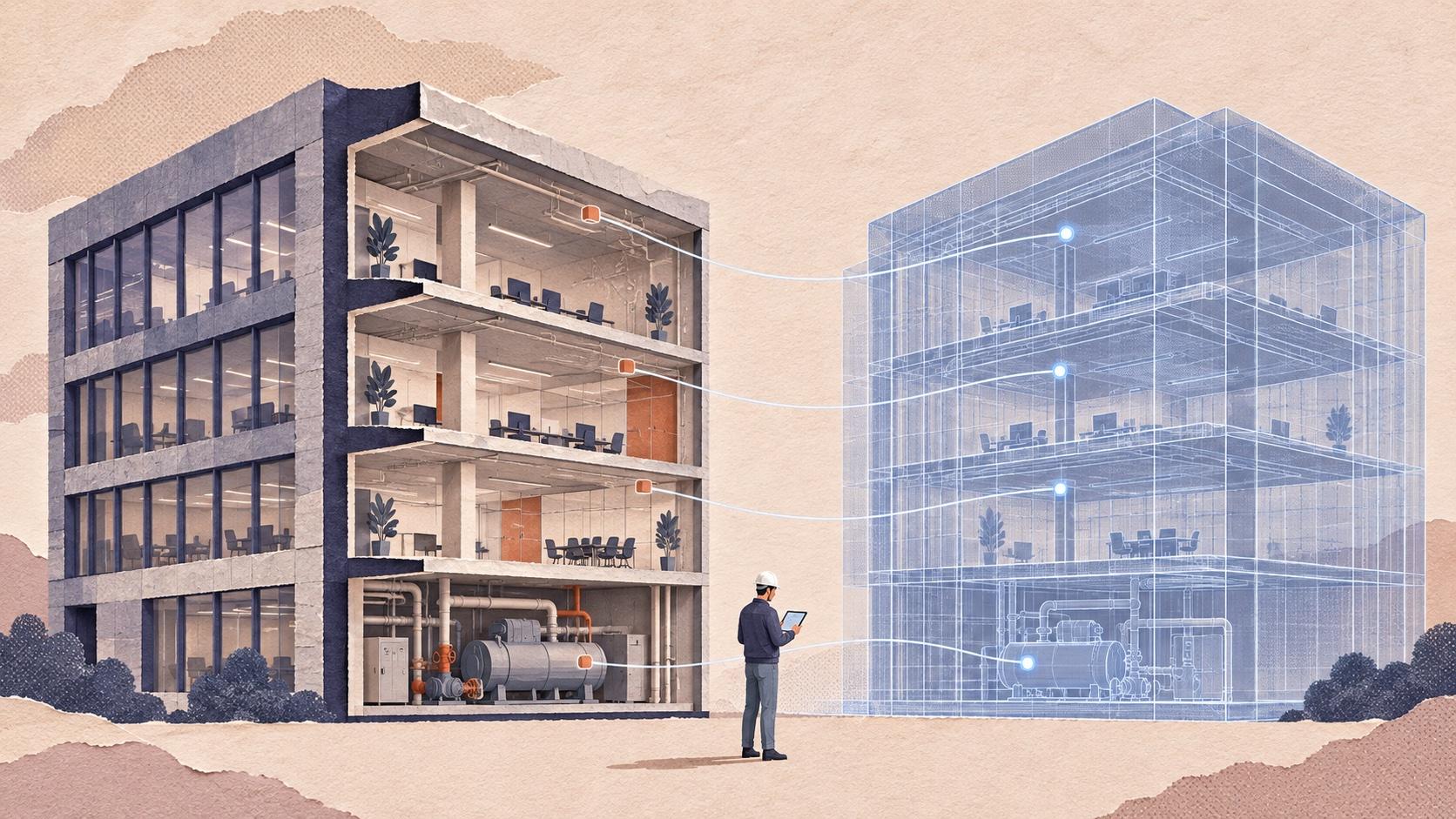
A useful public account of this project would explain, at an appropriate level of detail, how the owner accepted the building-services systems and assigned responsibility for their operation. The questions include the tested load, the boundaries between contractors’ packages and the process for resolving outstanding handover items. These are reporting questions, not evidence of an unresolved fault at the campus.
Uptime’s operations assessment covers planning and coordination, staffing, training, operating conditions and maintenance. Those categories give an owner a way to examine the continuing organisation around an asset after construction. They also explain why the inauguration date alone cannot establish the facility’s measured performance over time.
There is no need to publish sensitive layouts or security procedures to answer the basic accountability questions. An aggregate commissioning summary, the certification reference and a description of who accepted the relevant systems would make the engineering milestone more legible.
The training institute has a separate job
The PMO brief describes the institute as a platform for cybersecurity and enterprise-technology training and research. Its stated areas include artificial intelligence and quantum computing. The institute’s future activity should be assessed through its own programme and participation records, rather than inferred from the data centre’s construction or certification.
For AEC teams, the campus presents two connected handover tasks: an operating critical facility and a usable training institution. Their acceptance records, staffing and subsequent performance need separate definitions.
What to watch next
24 October 2026: the PMO outlines the project’s intended computing and training scope.
25 October 2026: the PMO confirms the inauguration.
28 October 2026: this review finds no migration timetable or measured availability record in those statements.
The next verifiable milestone would be an RBI disclosure identifying the accepted facility scope, the certification boundary and the stage of service migration. Until then, improved reliability remains an intended benefit rather than a measured outcome established by the reviewed records.