When discussing infrastructure development, the most important question is often ignored:
Should we build at all?
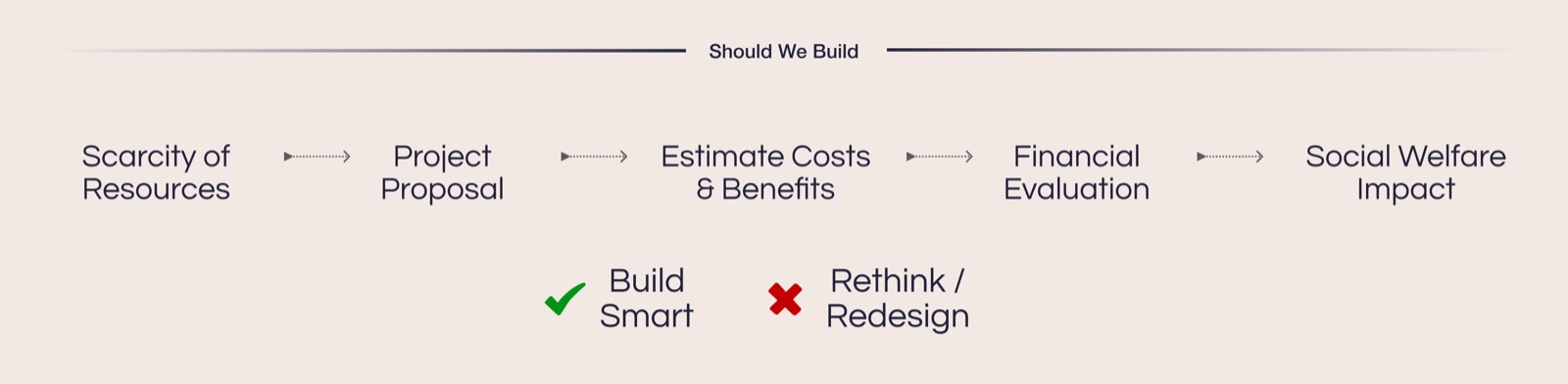
Before construction begins, every infrastructure project must undergo rigorous economic feasibility analysis. The real question is not whether we can build — but whether we should build.
Economic feasibility determines whether a project creates net value for society, justifies public investment, and efficiently allocates scarce resources.
The Economic Foundation: Scarcity, Choice, and Resource Allocation
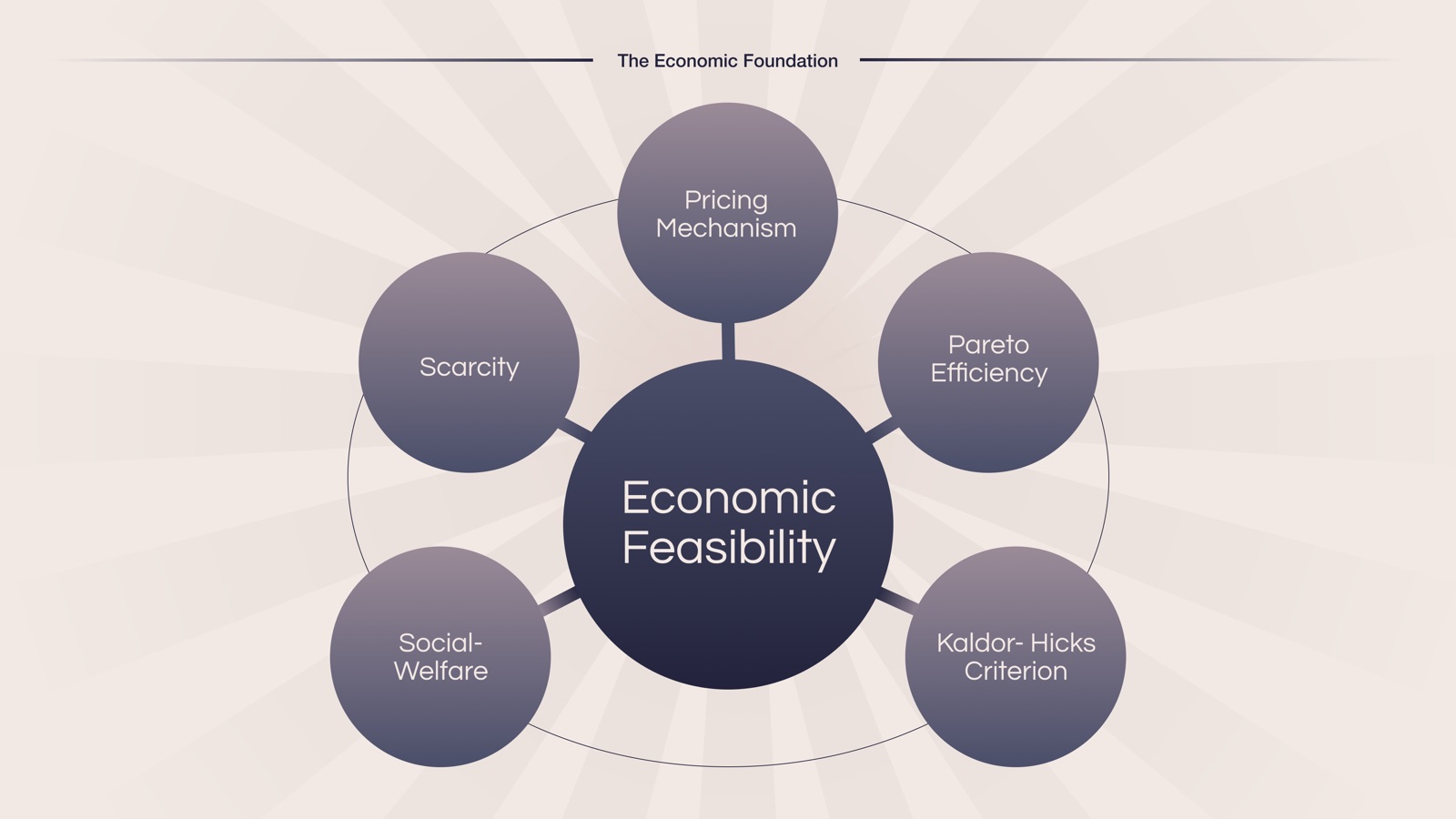
At its core, economics is built on one principle:
Resources are limited. Human wants are unlimited.
Land, capital, labour, time, and public funds are all scarce. Because of this scarcity, governments and private developers must make strategic choices about which infrastructure projects to pursue.
The pricing mechanism helps allocate resources to their most productive uses. In infrastructure planning, this ensures that every rupee invested generates maximum economic and social return.
This is the foundation of economic feasibility in infrastructure projects.
Welfare Economics and Infrastructure Decision-Making
Economic feasibility is rooted in welfare economics, which evaluates how projects affect overall societal well-being — not just profit.