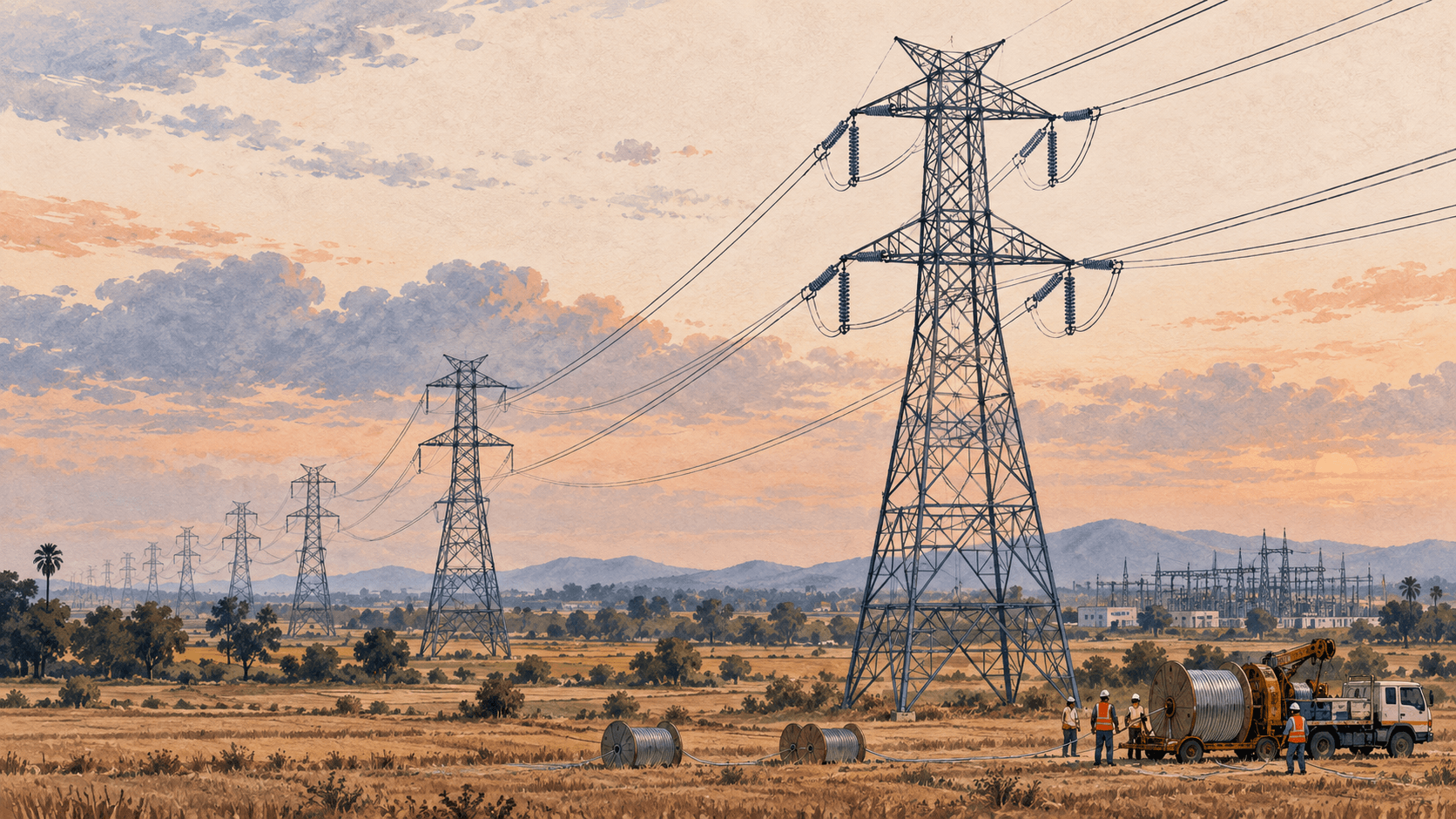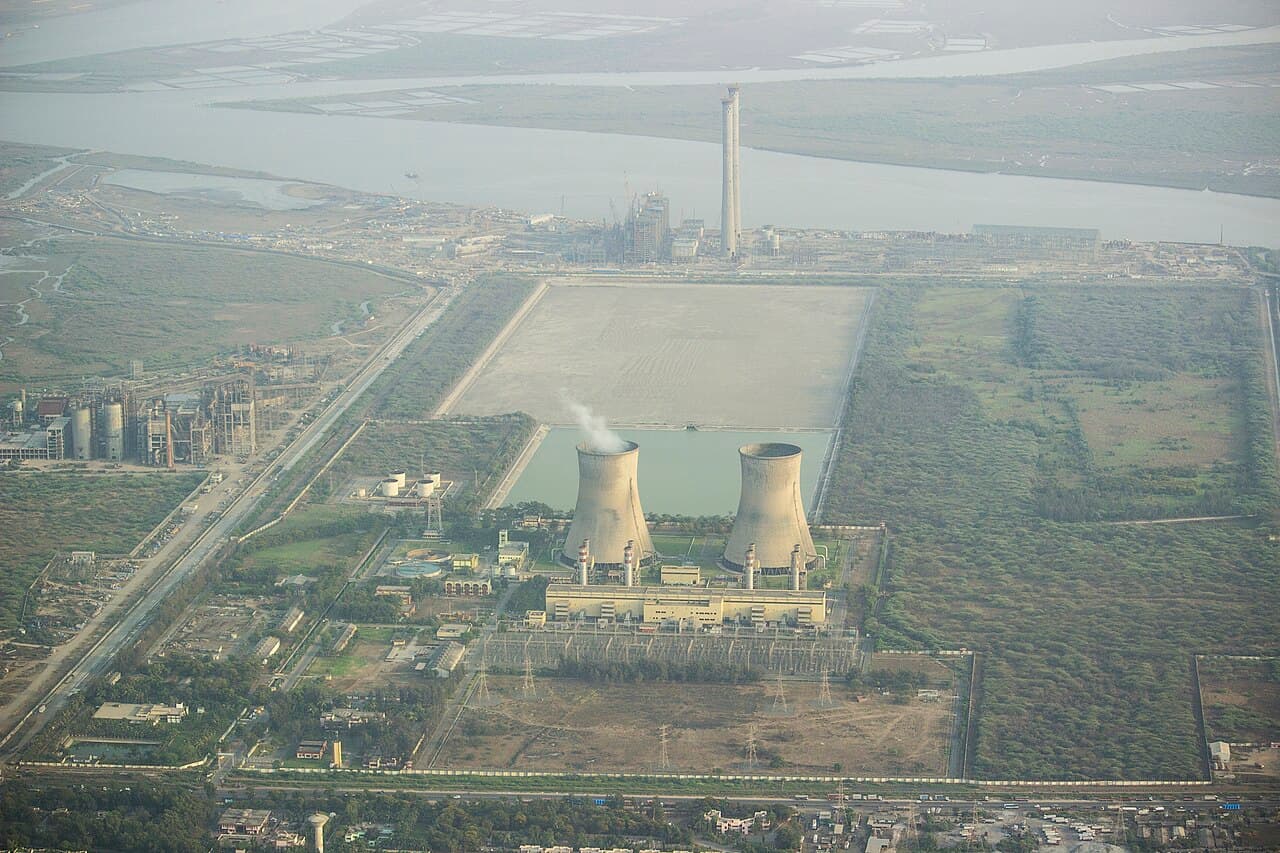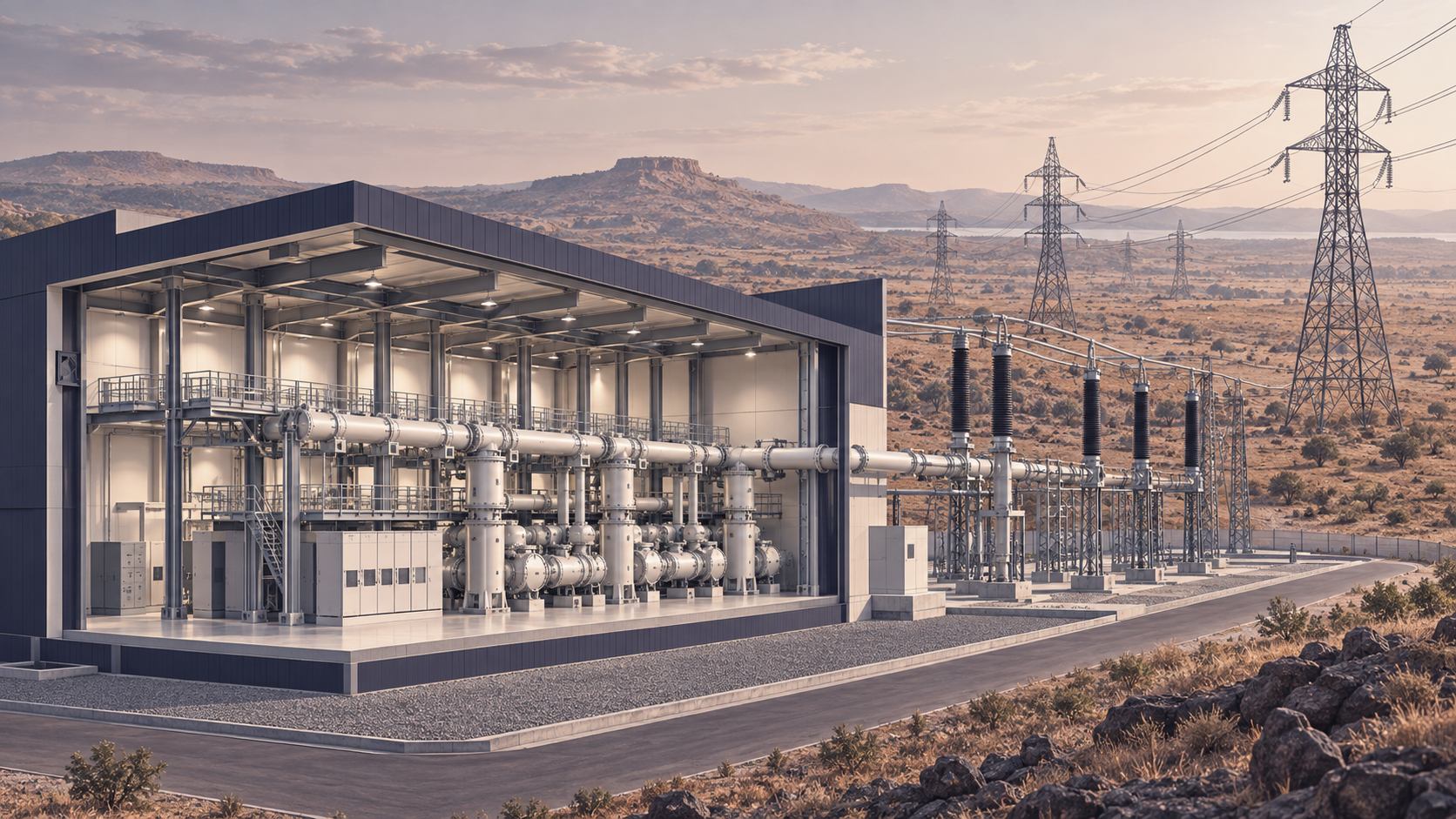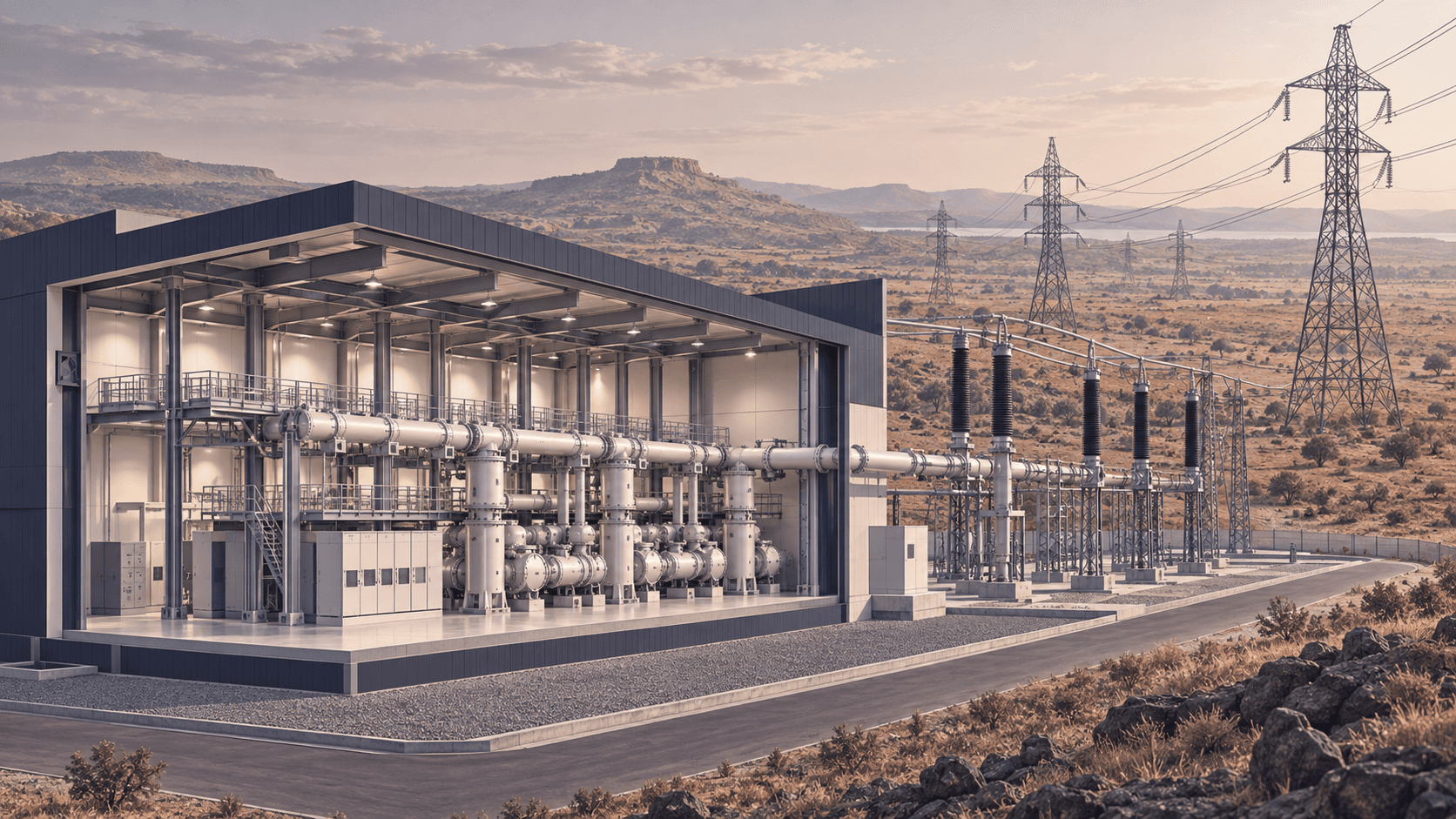
Dilip Buildcon has disclosed that it has been selected for an intra-state electricity transmission project in Maharashtra with a reported value of ₹1,265 crore. The scheme centres on a 400 kV gas-insulated switching station identified as Solapur/Paranda in Dharashiv district.
The number is large enough to sound like a construction award. The procurement structure makes the milestone more specific. REC Power Development and Consultancy Limited ran the project through tariff-based competitive bidding for a transmission service provider. The project documents describe a build, own, operate and transfer arrangement.
That means the selected bidder is expected to do more than execute an EPC package. The delivery chain includes taking control of the project vehicle, arranging finance, completing the system, meeting grid-code and testing requirements, operating the asset and providing transmission service under the agreement.
The selection is important. It is not yet proof that construction has started or that ₹1,265 crore has been spent.
What the public record confirms
Dilip Buildcon's public update says it was selected by RECPDCL for development and operation of an intra-state transmission system in Maharashtra. The company associates the opportunity with a ₹1,265 crore value.
RECPDCL's tender register identifies the project as the establishment of a 400 kV GIS Solapur/Paranda Switching Station in Dharashiv. The same register provides the request for proposal, transmission service agreement, share purchase agreement, amendments and qualified-bidder material.
The transmission service agreement names the Maharashtra State Transmission Utility as the nodal agency and establishes the contractual framework for development and operation of the system. It also shows why the project should not be reduced to a single construction order. The output is transmission service from a compliant system, not simply a completed building and installed equipment.
The current evidence confirms bidder selection, procurement structure and the core switching-station asset. It does not provide a verified construction start, physical progress percentage or commissioned capacity.
Why a GIS switching station matters
A 400 kV switching station controls how high-voltage circuits connect, isolate and route power through the network. Gas-insulated switchgear places key live components inside grounded metal enclosures using an insulating gas system, allowing a more compact arrangement than a conventional air-insulated yard.
Compactness can be valuable where land, clearances or site geometry constrain a large switchyard. It also concentrates technical and quality obligations inside factory-built equipment, cable or bus interfaces, protection systems, control systems and the building environment.
The project will succeed only when the entire electrical chain works together. Civil foundations and the GIS hall must match vendor loads and tolerances. Earthing must meet design performance. Protection and control schemes must coordinate with the wider Maharashtra grid. Associated lines and bays must be available. Telecom and SCADA links must pass end-to-end tests.
A finished GIS building without connected circuits does not provide the intended network service.
Why the BOOT structure changes delivery risk
Under a build, own, operate and transfer structure, the private transmission service provider carries a longer relationship with the asset. The concession is built around availability and service obligations over time, rather than handover immediately after construction.
The bid therefore combines capital cost, financing, programme risk, operations, maintenance and lifecycle performance. A bidder that prices only the construction scope would miss the commercial exposure created by long-term availability requirements.
The public authority also retains critical obligations. Project documents must define land and access, network interfaces, approvals, payment security, change in law and relief for events outside the service provider's control. Weakness in those inputs can delay financial close or the appointed date even after bidder selection.
The first management test is whether the parties convert the competitive result into an executable project vehicle with a stable baseline.
The ₹1,265 crore figure needs careful treatment
The disclosed value is a project or bid-related figure. It should not be reported as expenditure, completed work or money already released.
For monitoring, at least five numbers should remain separate: the estimated project cost used for procurement, the winning tariff or commercial bid, the financing plan, actual capital expenditure, and transmission charges paid after service begins.
Those measures answer different questions. Estimated cost supports appraisal. The bid decides competitive selection. Finance determines whether the project can reach close. Capital expenditure tracks delivery. Transmission charges relate to available service under the agreement.
A credible project ledger should also distinguish the switching station from associated lines, terminal bays and upstream network works. One component can be ready while another remains the constraint.
The handover between bidder selection and construction
Transmission TBCB projects commonly use a special-purpose vehicle created for the scheme. The bid-process coordinator completes the competition and transfers the project company to the selected bidder under the share purchase framework.
That transfer is a practical evidence gate. After it, the sponsor must finalise governance, financing, engineering, procurement and the programme needed to satisfy the transmission agreement.
The next records to watch are the letter of intent or award, SPV transfer, financial-close position, land possession, major equipment orders and the effective project schedule. For GIS equipment, manufacturing and factory testing can drive the critical path. For associated lines, right of way and foundations can become the constraint.
None of these later milestones should be inferred from an L1 or selection announcement.
What should be reported next
The strongest follow-up will connect contract milestones to network readiness.
First, confirm the exact selected tariff and the relationship between the reported ₹1,265 crore value and the procurement documents. Second, identify the scheme's line, bay and transformation interfaces. Third, track land and statutory readiness separately from equipment manufacture. Fourth, record factory tests, energisation permissions and trial-operation results before describing the system as available.
The counterpoint is straightforward. Competitive selection can reduce price and assign responsibility, but it does not remove interface risk. The service provider still depends on grid outages, terminal works, connected substations and coordinated protection settings.
The selection is report-worthy because it moves the project from tender to a named delivery party. The next milestone is not a ceremonial start. It is the contractual and financial transfer that turns a bid into an executable system.
Until that evidence appears, the accurate description is a selected ₹1,265 crore transmission project. It is not yet commissioned capacity, and it is not yet verified construction progress.