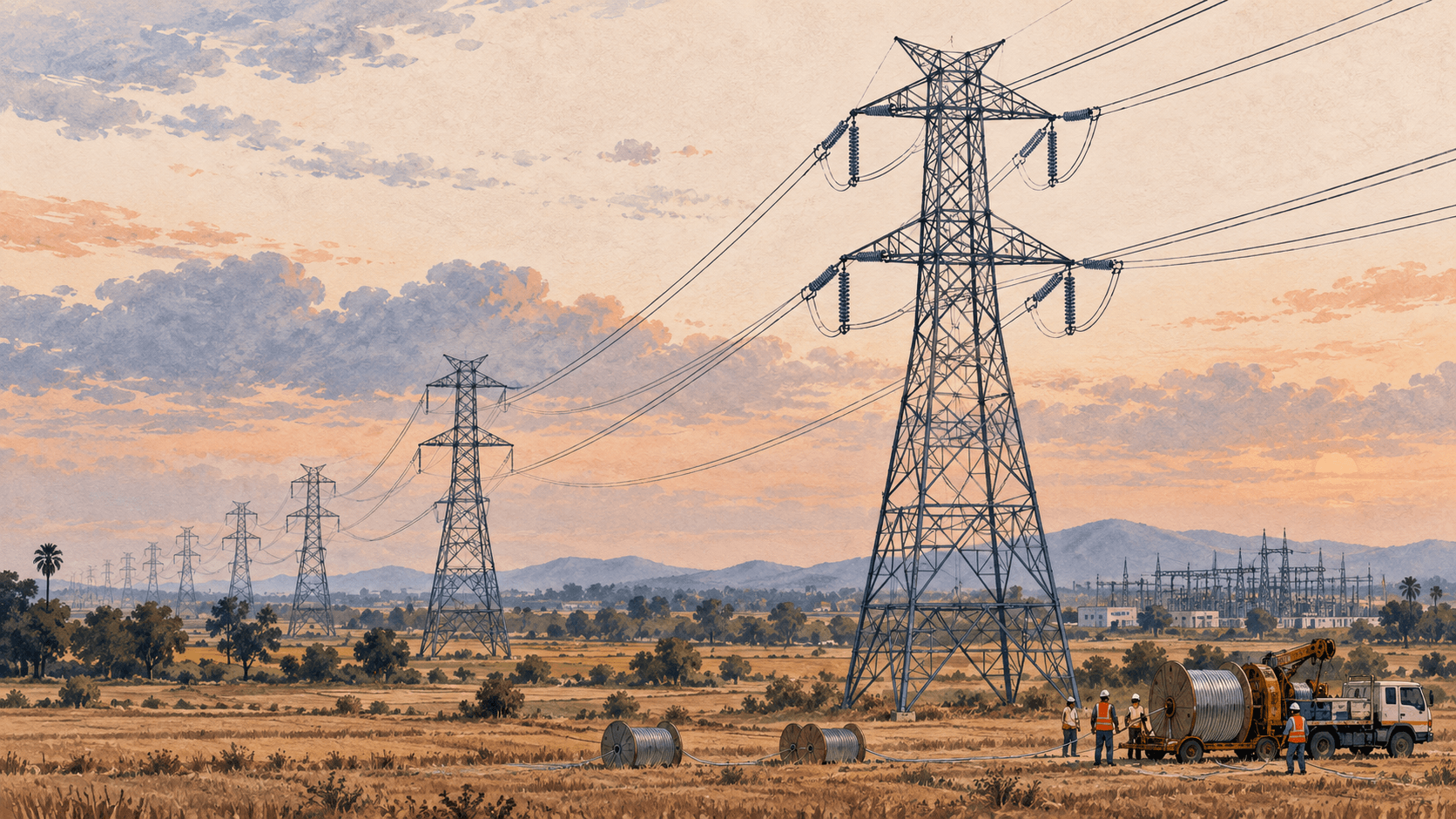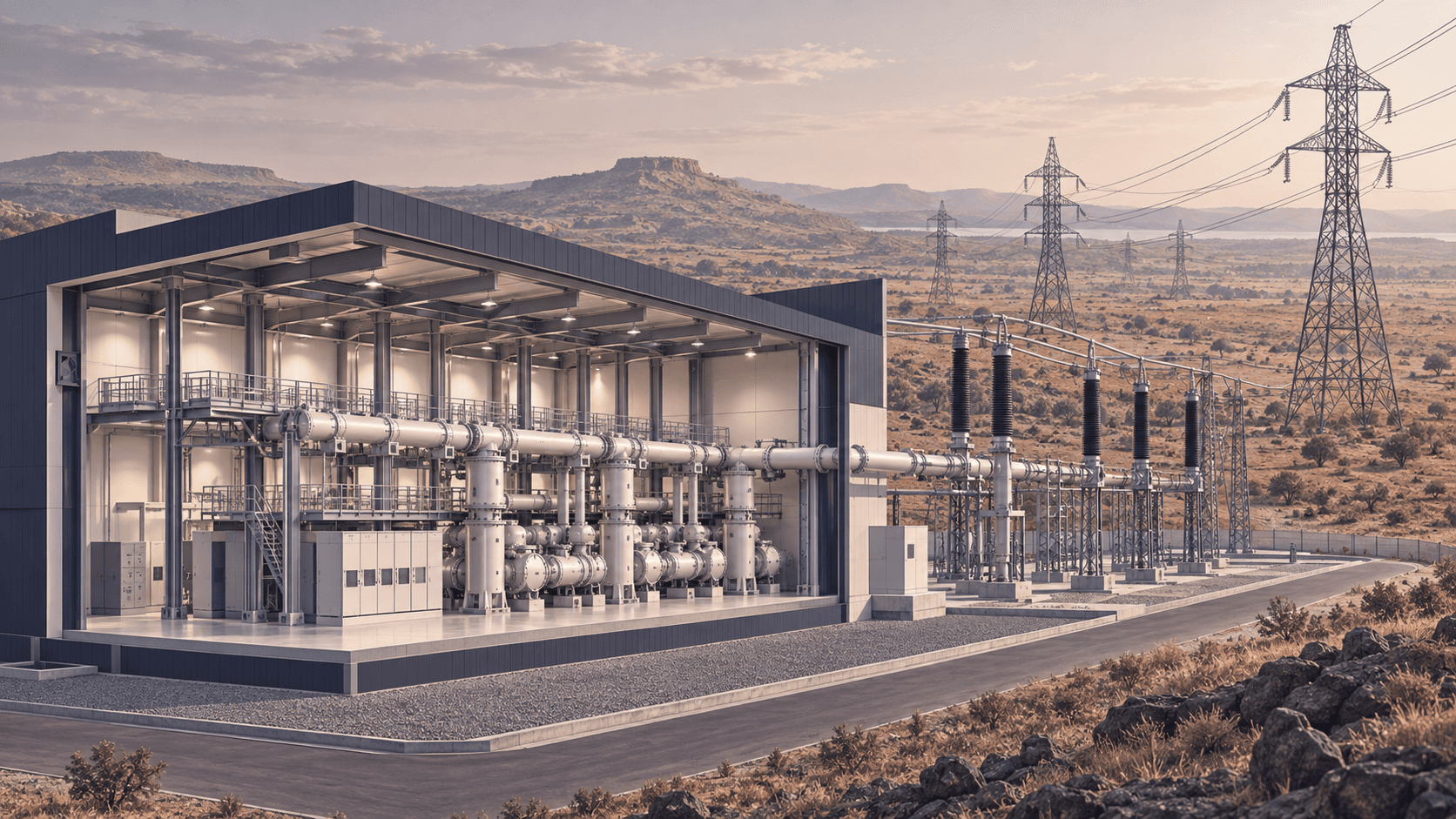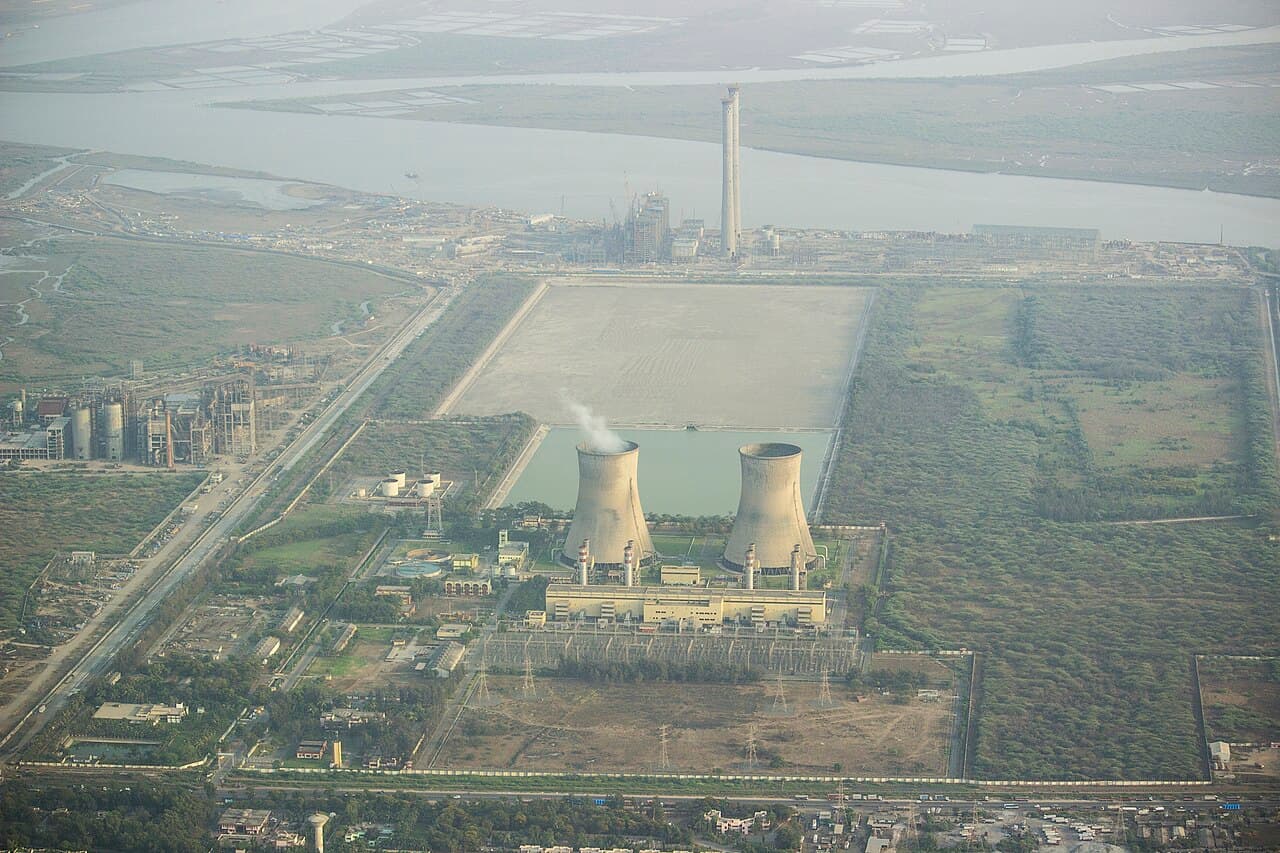
The most important number in Steamhouse India’s Una contract is not ₹311 crore. It is 25 years.
Himachal Pradesh Bulk Drug Park Infrastructure Ltd has selected the company to design, build, commission, operate and maintain a common steam plant and cogeneration facility at the Bulk Drug Park in Una. The disclosed scope includes 300 tonnes per hour of steam capacity, an associated distribution network and an indicative 30 MW of cogeneration. The EPC phase is expected to run for 24 months. Operation and maintenance then continue for 25 years.
That turns a conventional plant package into a long test of shared industrial infrastructure. The equipment can be commissioned once. The utility must work every day for manufacturers whose production schedules, steam quality requirements and willingness to pay may differ.
The park is outsourcing a system, not a boiler
A common steam plant changes the boundary of each factory. Drug manufacturers can avoid building and operating separate boilers, fuel systems, water-treatment facilities and emissions-control equipment. The park can concentrate generation in one location and distribute steam through a shared network.
The model can reduce duplicated capital and give smaller units access to professional utility operations. It can also improve monitoring because fuel, water, emissions and steam quality sit inside one operating system.
The trade-off is dependency. A factory boiler can fail without stopping its neighbour. A common plant creates a shared point of failure. The contract therefore needs more than an output number. It needs clear rules for redundancy, planned shutdowns, pressure and temperature at each delivery point, condensate return, emergency response and compensation when service falls below the agreed standard.
The distribution network matters as much as the generation plant. A 300 TPH boiler island cannot create value if tenant plots are not connected on time or if heat loss, pressure drop and condensate recovery are poorly controlled. The network route must also fit roads, drains, other utilities and the sequence in which plots become operational.
The demand curve is still missing
The public disclosures state the plant’s capacity. They do not state how much steam has been contracted by tenants, how quickly demand will rise or how the park will pay for unused capacity during the early years.
This gap is central to the economics. A shared utility is built ahead of many of its users. If the plant starts with low utilisation, fixed costs sit on a small volume of steam. If tariffs rise to recover those costs, early tenants pay more. If tariffs stay low, the park authority or operator carries the gap.
The bankable case needs a demand schedule linked to actual plots and commissioning dates. It should separate committed demand from expressions of interest. It should also show minimum offtake, peak requirements and the daily load pattern for different manufacturing processes.
A staged plant may reduce early idle capacity, but phasing has its own cost. Boilers, turbines, water systems, fuel handling and the distribution backbone must be sized so that later additions do not interrupt operating units. The contract disclosure does not yet show how much capacity will be installed in each phase.
A 25-year contract moves risk into the tariff
The long operating term creates recurring revenue for Steamhouse India, but the quality of that revenue depends on the tariff formula. Fuel prices can change sharply over 25 years. Water, labour, consumables, ash handling and environmental compliance will also change. A fixed tariff would place too much risk on one party. A formula that passes every increase to users would weaken cost control.
The useful document will be the tariff schedule and its adjustment mechanism. It should identify the base fuel, efficiency assumptions, escalation indices, minimum charges, treatment of taxes and the cost of meeting tighter environmental standards. It should also state who pays for additional connections and network extensions as new units join the park.
Availability guarantees need the same precision. An annual availability percentage can hide a failure during a critical production campaign. Service levels should cover planned and unplanned outages, response time, steam quality and the capacity reserved for each connected unit.
The EPC programme has several owners
The 24-month construction period will run alongside the wider development of the Bulk Drug Park. The steam package cannot be managed as an isolated EPC job.
The plant needs land handover, access for heavy equipment, water allocation, fuel logistics, power evacuation for cogeneration, environmental approvals and utility corridors. Tenant factories need plot possession and connection points. Roads and drains need to be sequenced around the steam network. Each dependency belongs to a different organisation.
A credible programme should name the owner and required date for every interface. It should also distinguish conditions within Steamhouse India’s control from conditions supplied by the park authority. Without that split, a 24-month deadline can look precise while the prerequisites remain open.
Commissioning is another joint exercise. Testing an empty steam header is different from supplying live process loads. The programme should show when anchor users will be ready, how temporary loads will be created and what acceptance test will trigger the start of the 25-year operating term.
What to watch next
The award gives Una a named utility partner and a defined headline capacity. It does not yet show whether the commercial and delivery structure can support a park full of independent manufacturers.
The next evidence should include the executed contract, tariff framework, capacity phasing, committed tenant demand, fuel strategy, water balance, emissions-control scope and the interface schedule for the distribution network. Those records will show who carries the cost when plots or connections arrive late.
The project will be judged twice. The first test is whether the plant and network are delivered within 24 months. The longer test is whether a 300 TPH shared utility can remain reliable, affordable and adaptable for 25 years. That is the part of the contract that will decide whether Una has built common infrastructure or moved a common risk into one system.