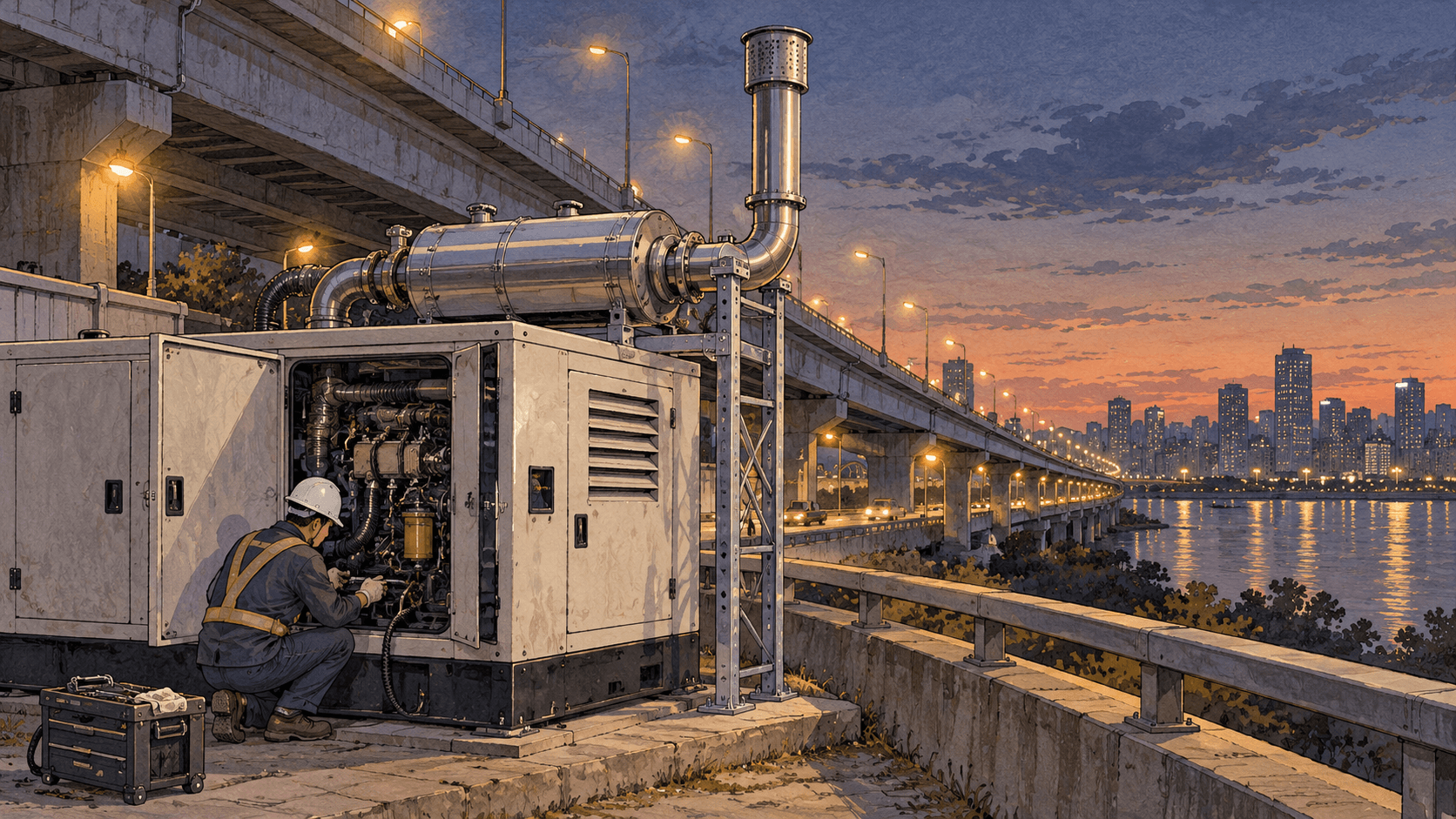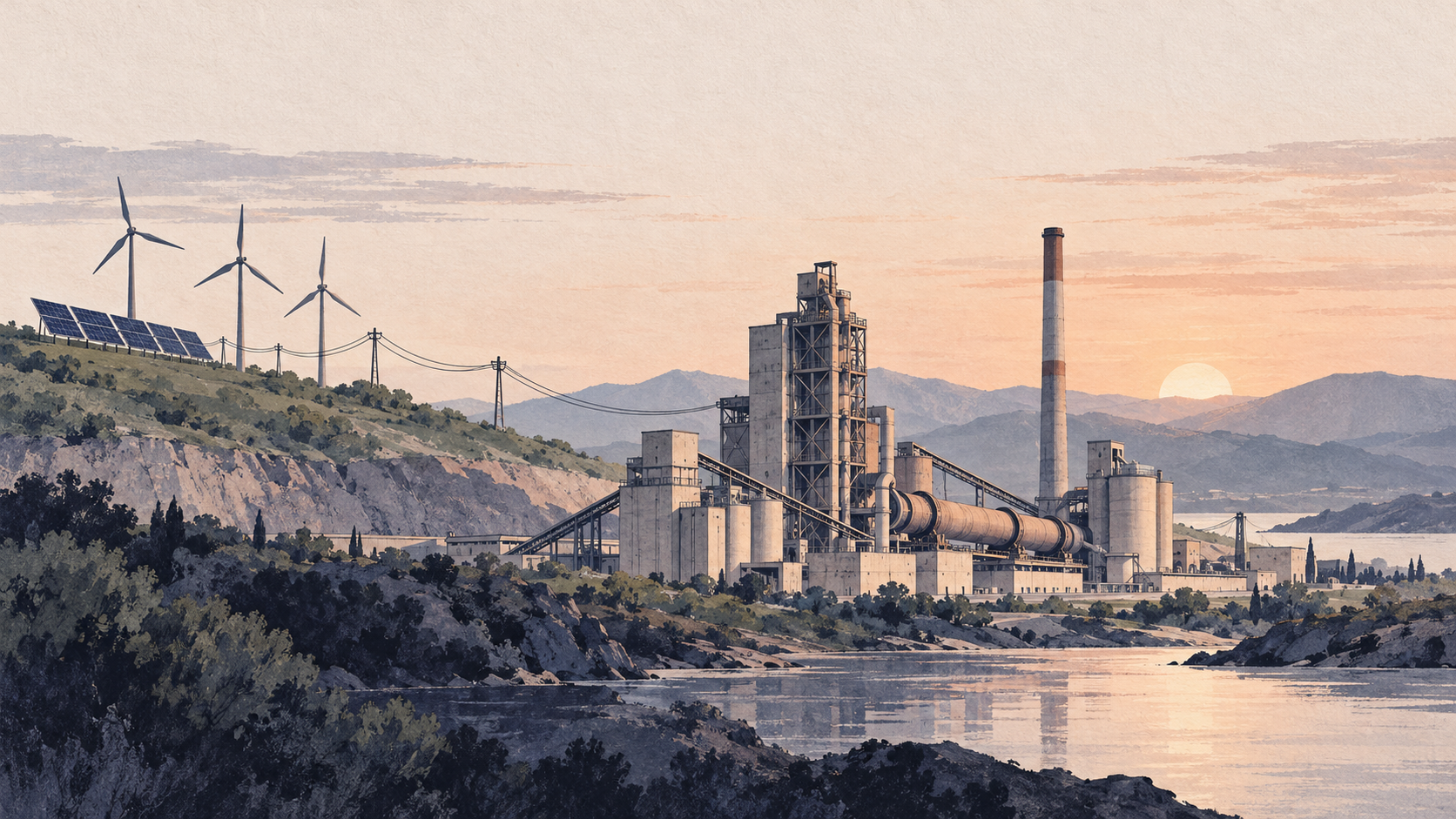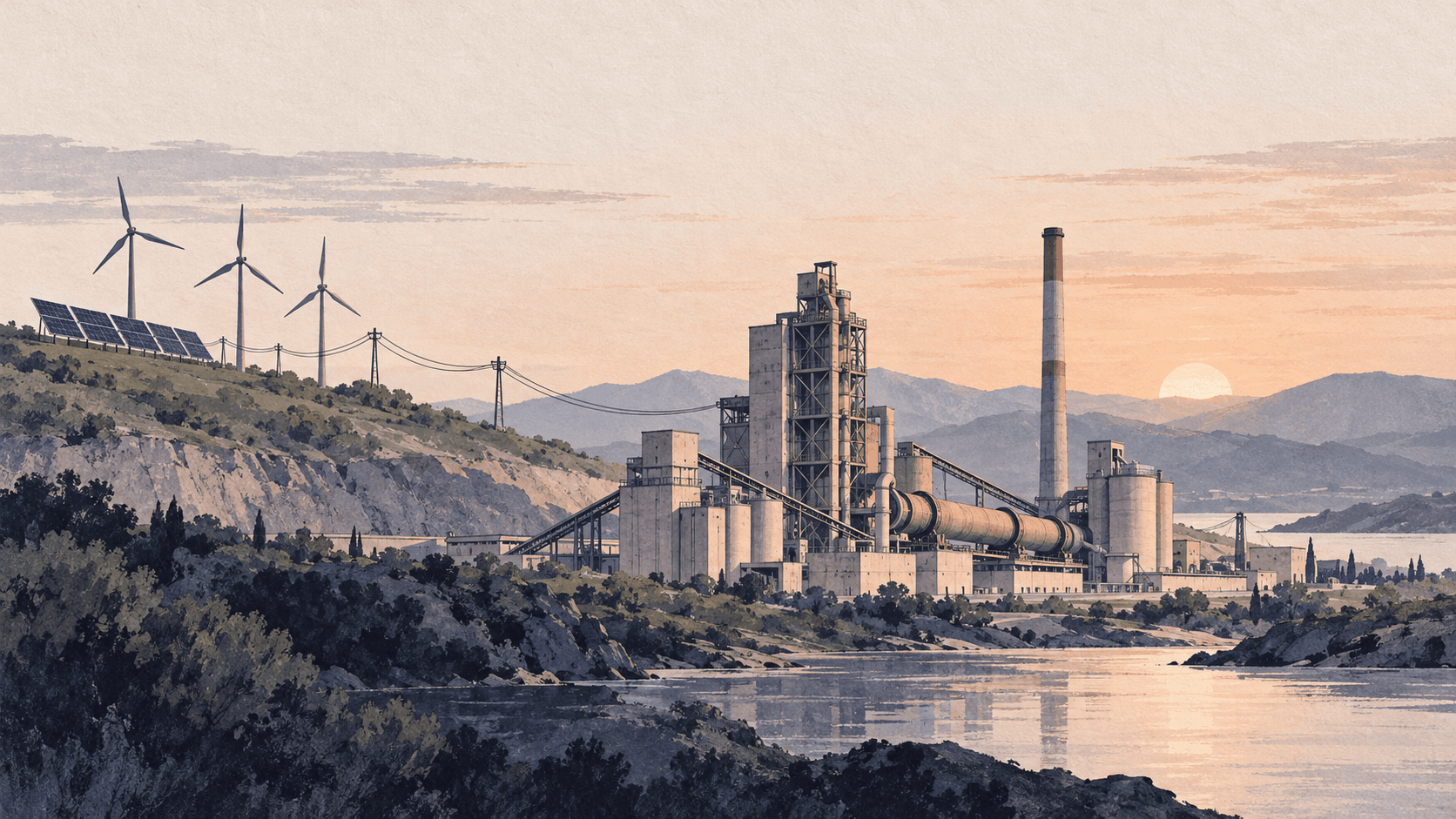
On 5 October, UltraTech Cement said it had commissioned 116.55 megawatts (MW) of wind capacity at its Barmer, Rajasthan, wind-solar hybrid project and 10 MW of waste heat recovery system (WHRS) capacity at Sarlanagar Cement Works in Karnataka. The company said the additions took its installed captive green-energy capacity to 2,024 MW.
The portfolio comprises 1,580 MW of renewable energy and 444 MW of WHRS, according to the company’s 5 October release. UltraTech says the combined capacity meets about 48% of its current power requirements.
Capacity needs an operating record
UltraTech says that, so far in FY2027, nearly a third of its 76 Indian manufacturing units have used green energy for more than half of their electricity requirements, while five units exceeded 95%. The release does not give the measurement window, site-by-site generation, or the amount of emissions avoided by the two new installations. A capacity figure describes what equipment can produce; it does not show how many megawatt-hours reached the plants over a full year.
The company’s FY2026 decarbonisation disclosure reported a 35.8% green-power share in total consumption and gross Scope 1 intensity of 578 kilograms of carbon dioxide equivalent per tonne of cementitious product, 19.28% below its 2017 baseline. Those are company-reported figures for the prior year. They do not isolate the effect of the capacity commissioned this month.
Electricity is one part of cement’s carbon account
NITI Aayog’s January 2026 cement-sector roadmap estimates that limestone calcination accounts for about 55% of sector emissions, on-site fuel combustion for 33%, and electricity for 12%. These are sector-wide estimates, not UltraTech’s own emissions breakdown. They show why cleaner electricity can move the power portion while kiln chemistry and process heat still require their own interventions.
The roadmap identifies several levers, including renewable electricity, clinker substitutes, alternative fuels and carbon capture. UltraTech’s announcement advances its electricity programme; it does not report a change in clinker ratio, fuel mix or process emissions from the new installations. Its stated goal is to raise green energy to 85% of its total power mix by 2030. Separately, its RE100 commitment is to meet all electricity requirements from renewable sources by 2050.
The next useful test is a comparable operating record: generation and use by plant, the definition and period behind the 48% figure, and emissions intensity alongside production volumes. The 2,024 MW portfolio marks new capacity in place. The climate result will depend on what the plants use and what their full emissions inventory shows.