Introduction
Quality Assurance (QA), Quality Control (QC), and Safety are critical pillars of success in the Architecture, Engineering, and Construction (AEC) industry. As India accelerates infrastructure development from metro systems to mega bridges, robust quality and safety practices are essential to minimise rework, control costs, and protect human lives.
Despite their importance, consistent implementation remains a challenge. This article explores key gaps in India's AEC sector, practical solutions, and insights from the iconic Chenab Rail Bridge.
Understanding QA, QC, and Safety in Construction
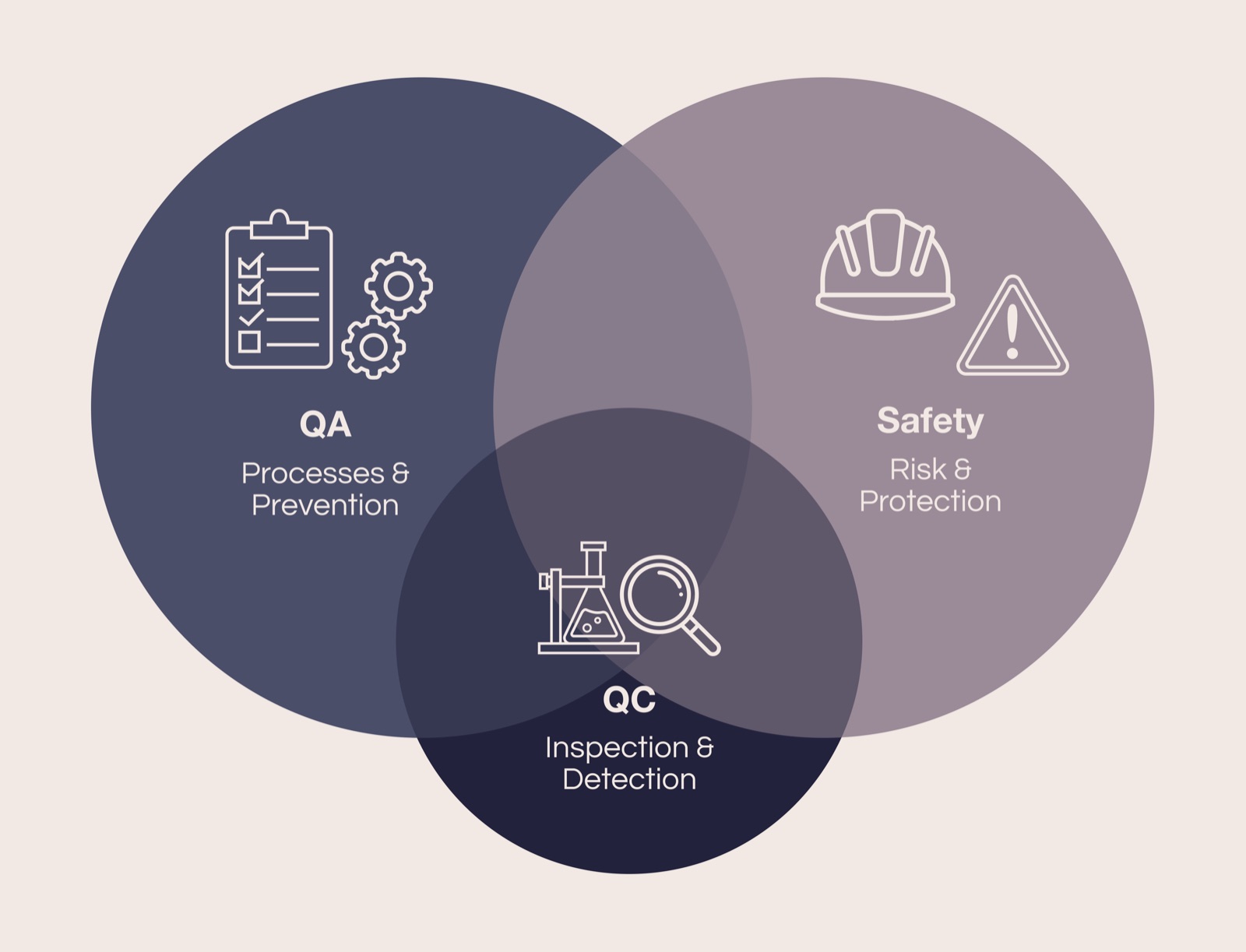
While often used together, these three functions serve distinct roles:
- Quality Assurance (QA): Focuses on preventing defects through structured processes such as planning, audits, and workforce training
- Quality Control (QC): Involves detecting defects through inspections, testing, and documentation
- Safety: Ensures risk mitigation by addressing hazards, preventing accidents, and safeguarding workers
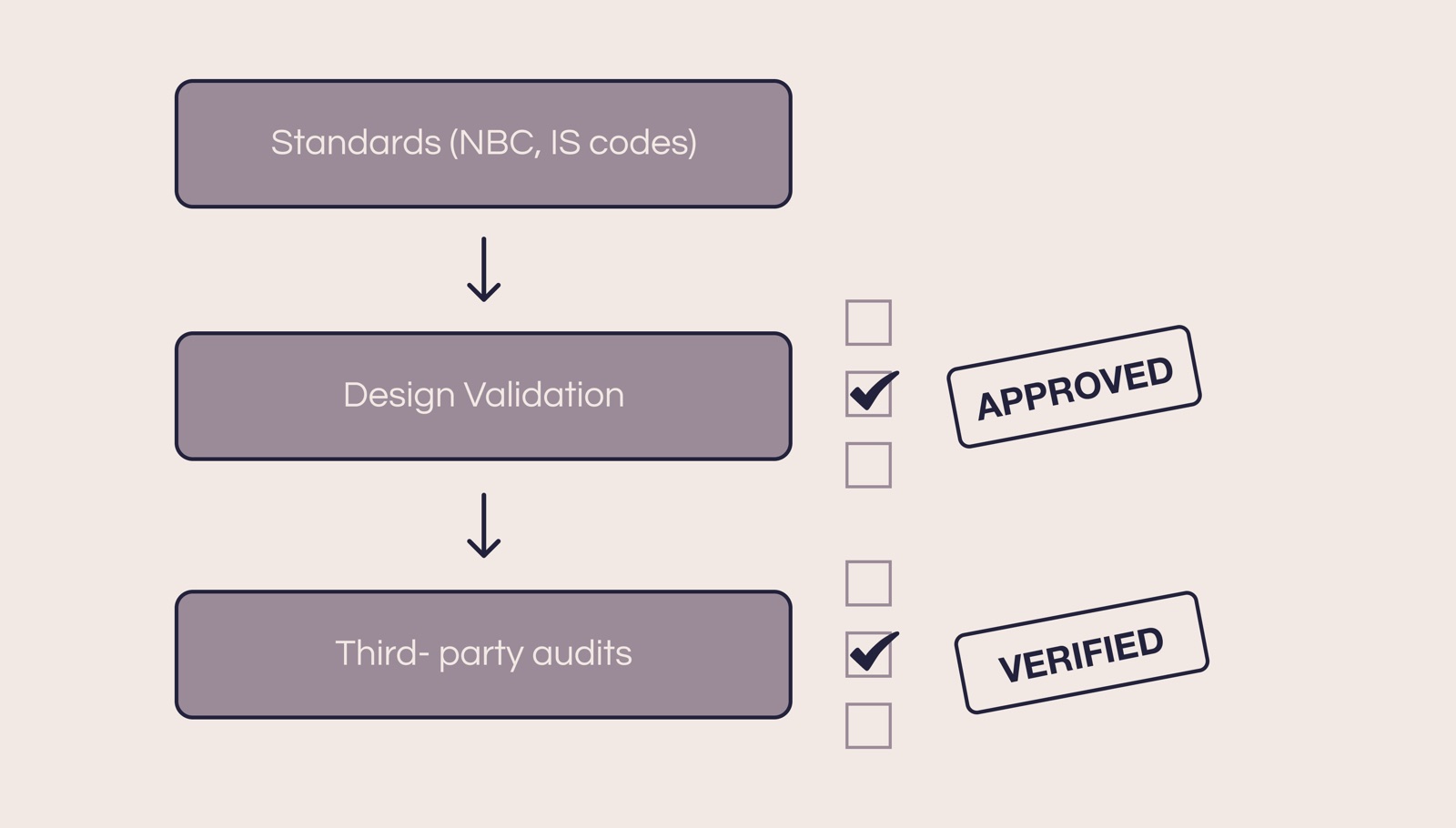
In India, these practices are guided by frameworks like the National Building Code (NBC 2016) and IS codes, but execution often varies across projects.
Key Challenges in India's AEC Industry
1. Cost and Time Pressures
Competitive bidding often prioritises the lowest cost, forcing contractors to compress timelines. This can result in skipped inspections and incomplete testing.