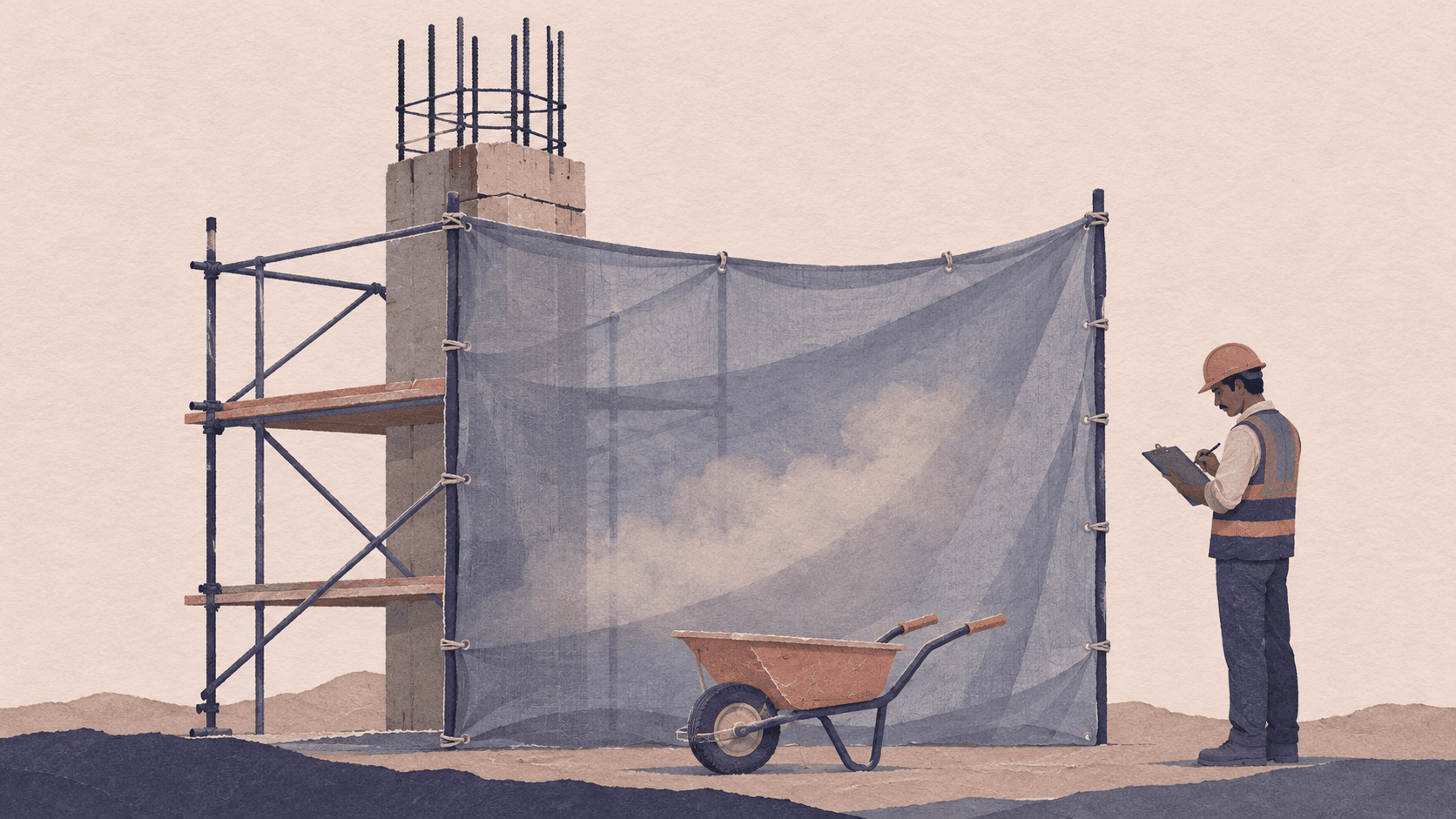
Delhi's latest water-and-sewerage launch combines assets at different stages. The Ministry of Home Affairs release dated 22 October records 10 projects inaugurated and 33 initiated within a package valued at about ₹8,941 crore. Treating the entire package as completed infrastructure would erase that distinction.
The release describes upgrades and new sewage treatment plants, decentralised treatment and pumping, household connections, sewer rehabilitation and drainage work. It records a government target to clean the Yamuna before May 2029. That remains a target, rather than a measured outcome established by the announcement.
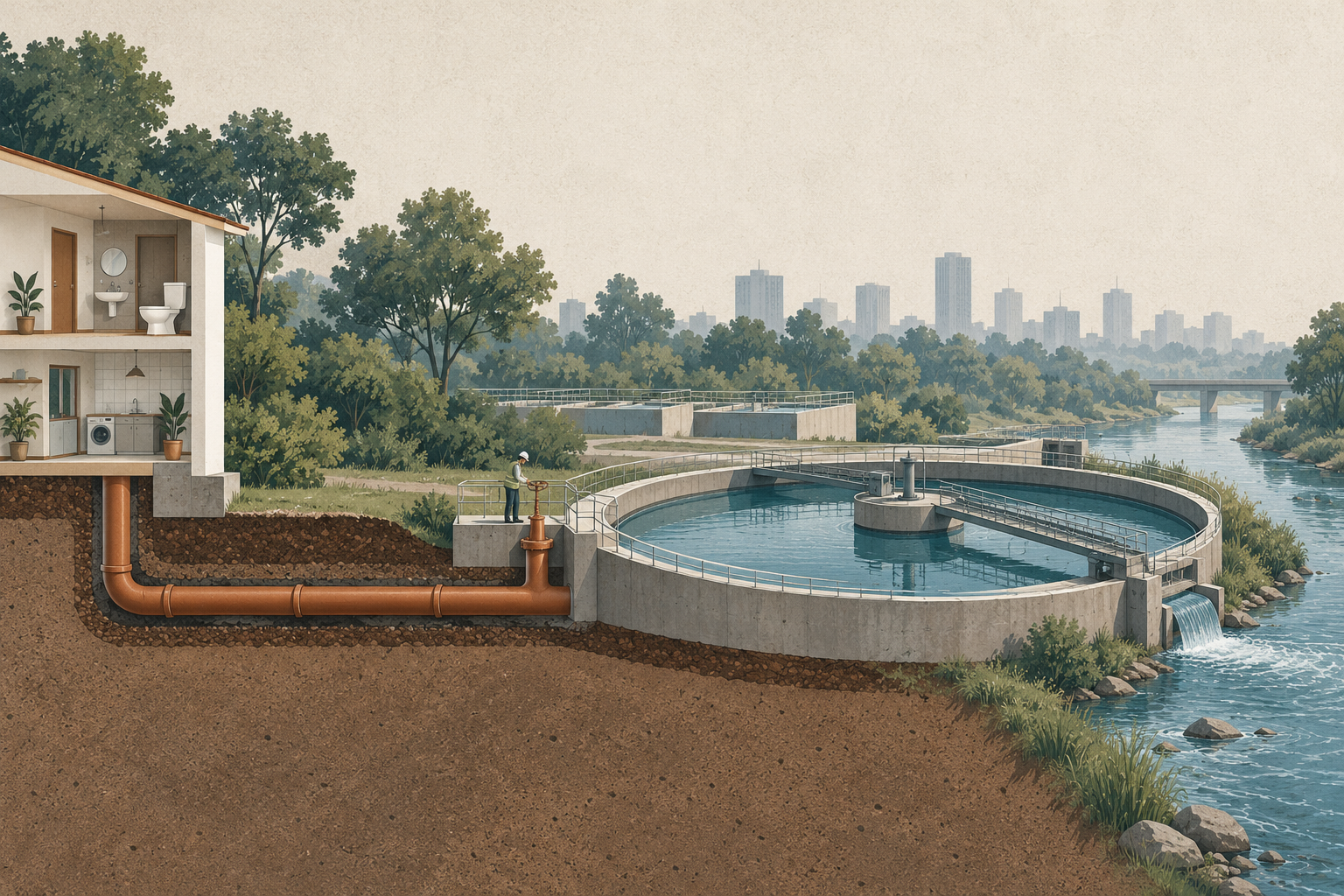
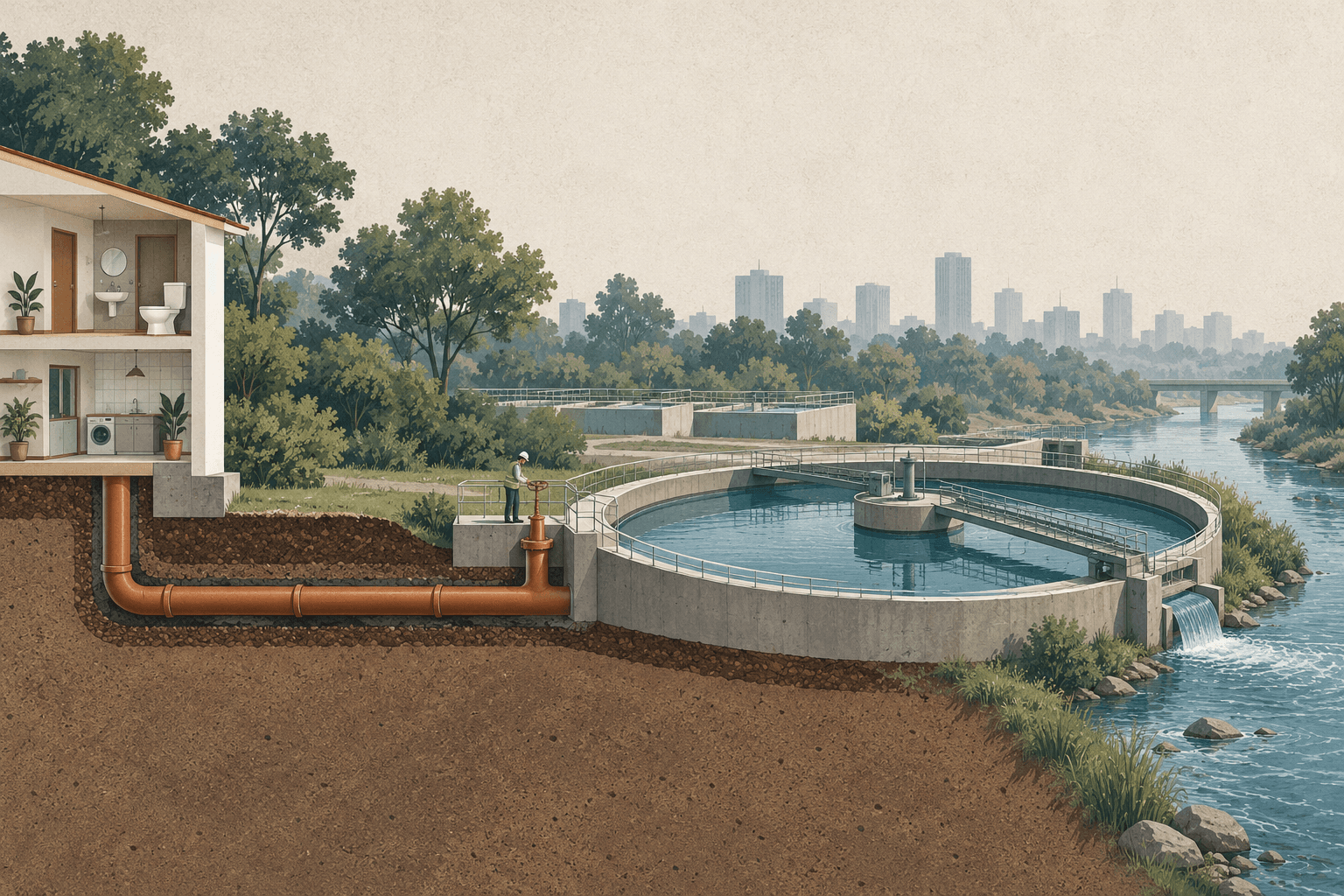
Follow the wastewater through the system
For construction teams, the useful reporting unit is a named catchment: the homes and drains feeding a particular network and treatment facility. Our proposed verification would follow wastewater from connection through pumping and treatment to discharge. Each part needs a dated record and an operating owner.
A household connection count should identify the area served and the period measured. Plant records should distinguish design capacity, incoming flow, treated volume and effluent test results. The engineer's acceptance of a completed package is another record again. These are reporting questions for the projects, not findings that any particular asset is deficient.
The Indian Express's 23 October account puts the inaugurated portion at ₹2,827.11 crore and the foundation-stage portion at ₹6,114.11 crore, citing the launch. The figures describe project values at the ceremony. They do not provide a financial-year account of payments.
Build a funding record alongside the works record
A useful public tracker would match each project's sanctioned scope to its contract, funding source, releases and actual expenditure for a stated reporting period. Advances, payments for measured work and the cost of operating the asset should remain identifiable. A package total cannot supply those details.
The next records to request are the itemised project list, award and handover documents, acceptance tests and current operating data. They would also allow residents to see which works serve their area and which are still being procured or built.
The evidence reviewed establishes the launch and its stated scope. It does not establish how much of the programme is operating to the required standard or how much the package has changed river water quality. Assessing that change would require dated sampling, locations and a method that accounts for other discharges and river conditions.
The next follow-up should select one catchment and publish its connection, acceptance and treatment records together, with the dates and remaining gaps visible.
Dated record
22 October 2026: MHA published the ceremony announcement and project-stage split.
23 October 2026: Indian Express reported the package's value split.
24 October 2026: Bridging Room reviewed both records. Project-level acceptance and operating evidence remain outstanding.