On 21 September, Garden Reach Shipbuilders & Engineers told the stock exchanges that its board had approved a ₹2,896 crore capital budget for a greenfield shipyard at Raichak in West Bengal. The company linked the decision to expanding capacity in naval and commercial shipbuilding.
The amount is large enough to sound like a construction milestone. It is not one yet. A board approval authorises capital. It does not prove that the riverfront land is fully available, that the environmental and waterfront approvals are complete, that ground conditions are understood, that the facility design is frozen, or that construction packages have been awarded.
That distinction is the story. Raichak has moved from an expansion proposal to an approved investment. The harder work now is to convert that investment into a site, a sequence and a delivery baseline that can survive scrutiny.
What the filing establishes
GRSE's disclosure is concise. It says the approval continues an earlier announcement about capacity expansion through three new facilities, including Raichak. It records the board decision and the purpose: building capacity in naval and commercial segments.
The filing does not publish a detailed cost breakdown, land schedule, clearance register, package plan, construction start, commissioning date or target output by vessel type. That is normal for an exchange disclosure, but it limits what can be claimed from it.
The ₹2,896 crore should therefore be read as an approved capital envelope. It is not evidence that the same amount has been spent, committed to contractors or secured against a completed scope. The gap between those statements is where project risk lives.
A shipyard starts with the river
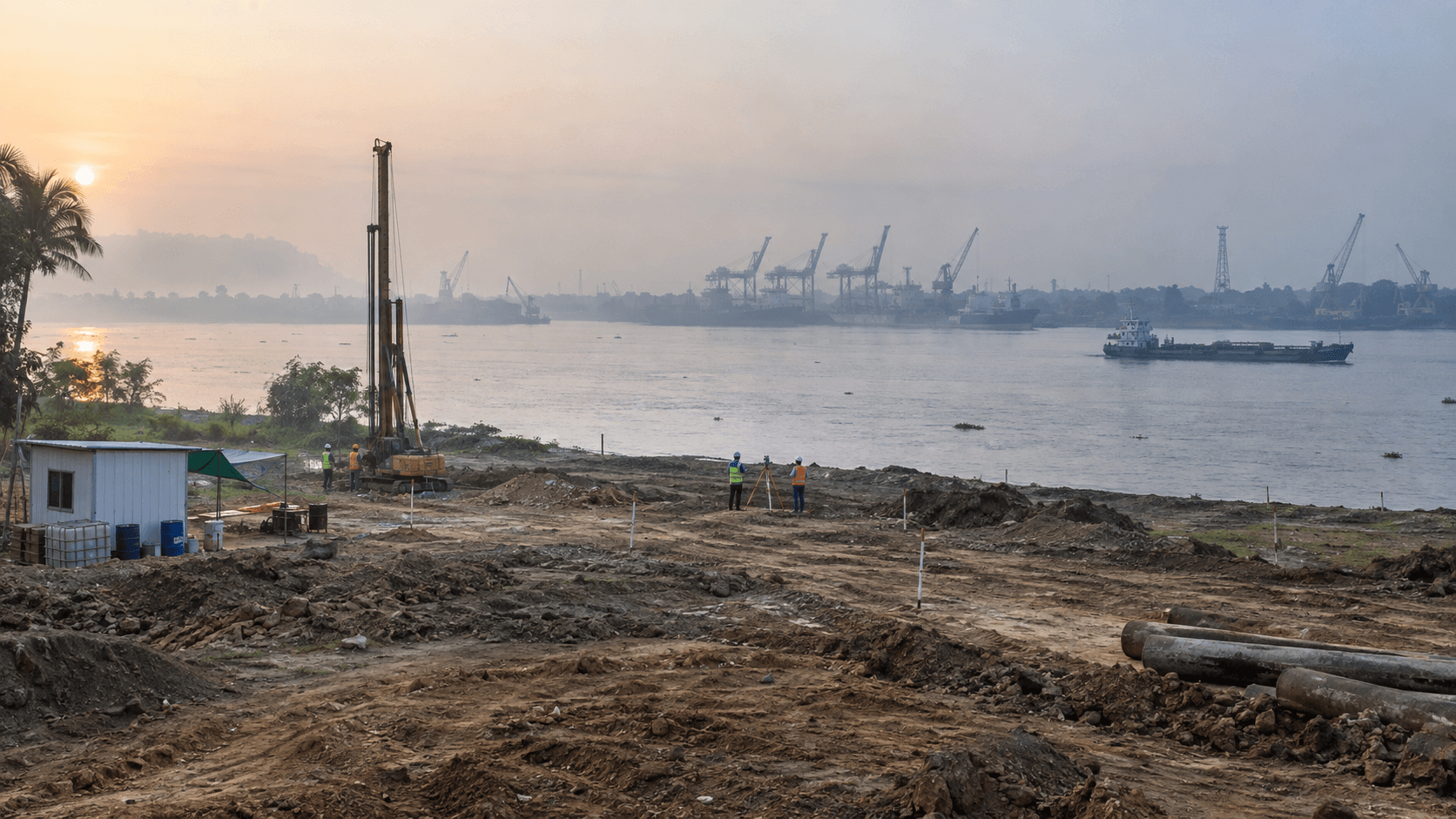
A riverfront shipyard is not a conventional industrial building placed beside water. The water is part of the production system. Vessel size, draft, river depth, tidal range, sediment movement and navigation access influence the geometry and operating limits of the facility.
Before a dry dock, slipway or jetty can be designed with confidence, the project needs reliable bathymetric, hydrological and geotechnical data. Dredging requirements can change both capital cost and recurring operating cost. Weak alluvial ground can alter foundation solutions. Bank protection and flood resilience affect the waterfront layout. A design that works on a plan may become expensive once the river and the soil are measured properly.
This makes the investigation programme an early schedule driver. Boreholes, river surveys, hydraulic studies and environmental baseline work need to feed the same design basis. If they move on separate tracks, late findings can reopen layouts and quantities after procurement has started.
Land readiness is more than possession
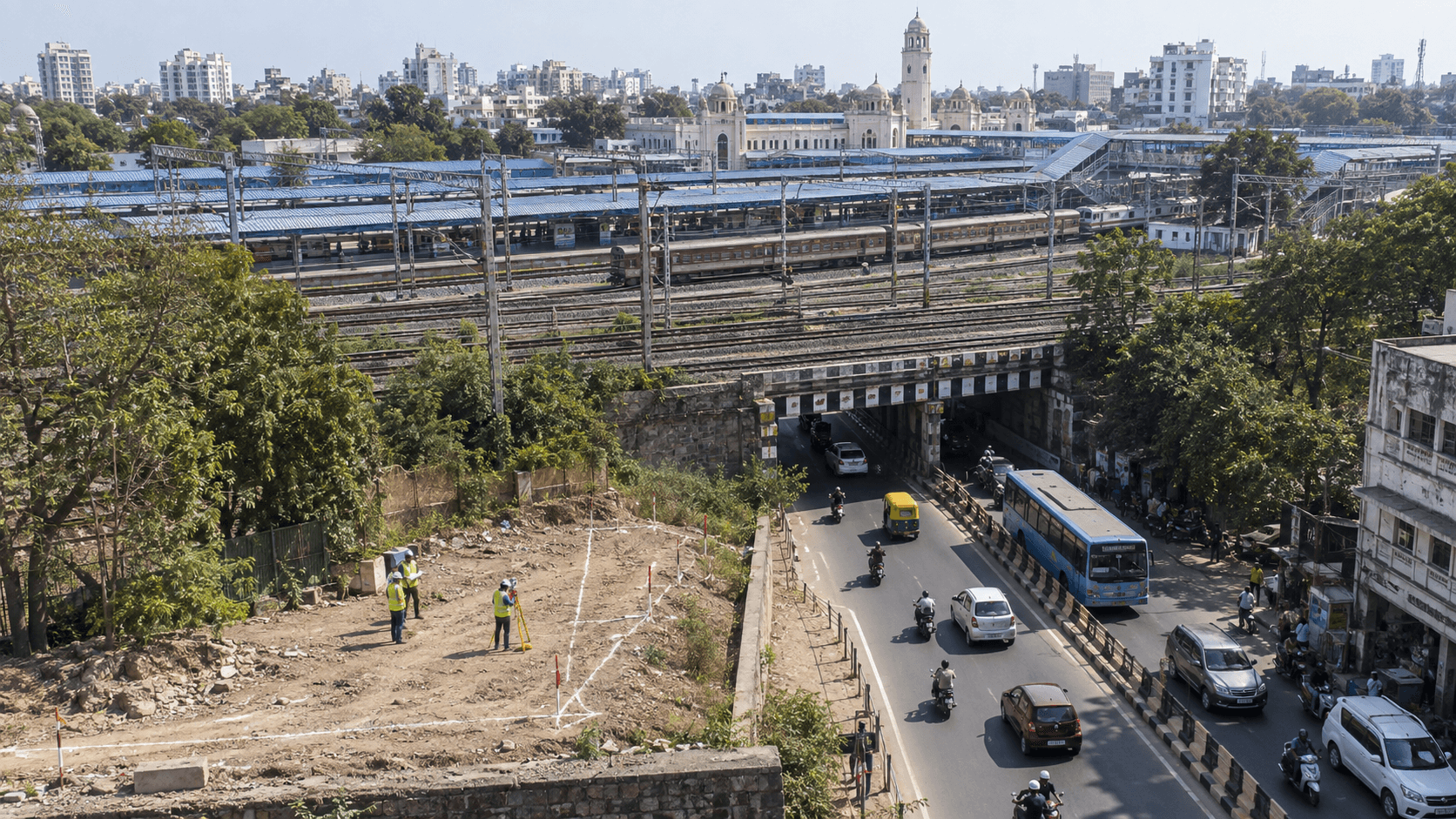
A project can control a parcel without having a buildable site. The delivery team needs a verified boundary, access for heavy transport, utility corridors, drainage, power capacity and space for fabrication, storage and movement of large blocks. It also needs a clear account of which waterfront permissions apply and which agency owns each decision.
For Raichak, the next meaningful public milestone would be a dated land and approvals register. It should show site control, survey completion, environmental and waterfront permissions, navigation interfaces, utility commitments and conditions that must be closed before major work begins.
Without that register, a target construction date remains an aspiration. The critical path may sit outside the civil works contract. It may run through a clearance, an access road, a power connection or a dredging decision.
The package strategy will shape delivery
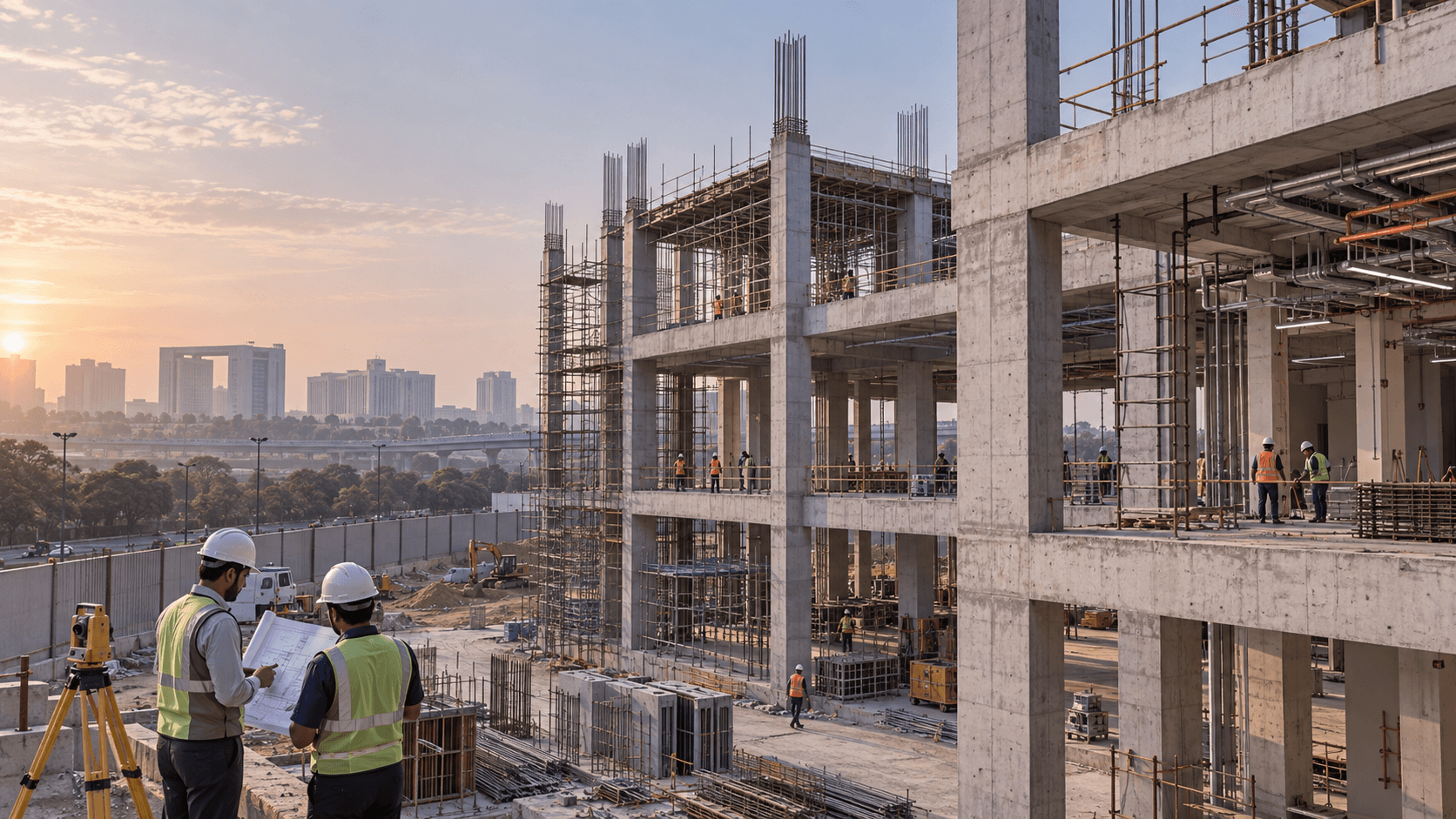
A greenfield shipyard combines marine works, heavy civil structures, industrial buildings, cranes and handling systems, utilities, security, digital systems and specialised production equipment. Splitting these into packages creates interfaces that must be designed and owned.
A dry dock must align with pumping, gates, power and yard logistics. A fabrication shop is useful only if material can enter, blocks can move and launch facilities can receive them. Jetties need marine access as well as landside services. The facility's production logic has to govern the contract map.
The project controls question is whether GRSE will publish a work breakdown structure that connects the capital budget to these physical systems. A credible baseline would identify the design freeze for each package, tender and award dates, long-lead equipment, interface owners, testing sequence and the conditions for operational acceptance.
Phasing deserves particular attention. Capacity can sometimes be brought online in stages, but partial completion is valuable only if the first phase can operate safely and productively. A workshop without a launch route, or a jetty without the required river access, creates booked capital without usable capacity.
What ₹2,896 crore should buy
A capital number becomes useful when readers can see its basis. The approved outlay may include land development, marine structures, buildings, plant and equipment, utilities, professional services, contingencies, taxes and escalation. The public disclosure does not divide the total across those heads.
That missing breakdown matters because different costs carry different risks. Marine quantities can change after surveys. Imported or specialised equipment can create currency and lead-time exposure. Early estimates may include contingency but not explain which uncertainties it covers. Escalation assumptions can become stale before the main packages are awarded.
The next financial disclosure should distinguish the approved budget, sanctioned package values, commitments, payments and forecast cost at completion. These are not interchangeable numbers. Tracking them separately would show whether the project is converting approval into contracted scope and whether the remaining budget is still adequate.
A better evidence ledger
Raichak can be followed through a small set of dated facts. The board approval is the first. The next entries should be land readiness, statutory approvals, completion of investigations, design maturity, tender issue, contract award, notice to proceed, physical progress, equipment installation, testing and commissioning.
Each entry needs a source and a definition. “Work started” should identify the package and the notice to proceed. “Progress” should state the measurement basis. “Commissioned” should identify what can operate, at what capacity and under which acceptance criteria.
This would prevent the project from being described only through announcements. It would also make later changes easier to understand. If cost or schedule moves, readers could see whether the cause was a changed design, a delayed permission, a ground condition, a procurement decision or an operating requirement.
The decision is real. So are the unknowns
GRSE's approval gives the Raichak project a formal capital mandate. It signals that the company wants more room to build both naval and commercial vessels. That is a material strategic decision.
But the filing leaves the delivery case open. The project is not yet defined publicly through a cost basis, baseline schedule or package map. No disclosed evidence in the board outcome establishes that construction has begun.
The next test is therefore not another headline number. It is whether GRSE can turn the ₹2,896 crore approval into a transparent sequence of buildable decisions. Raichak will become a shipyard only when land, river, design, contracts and operating systems meet on the same baseline.