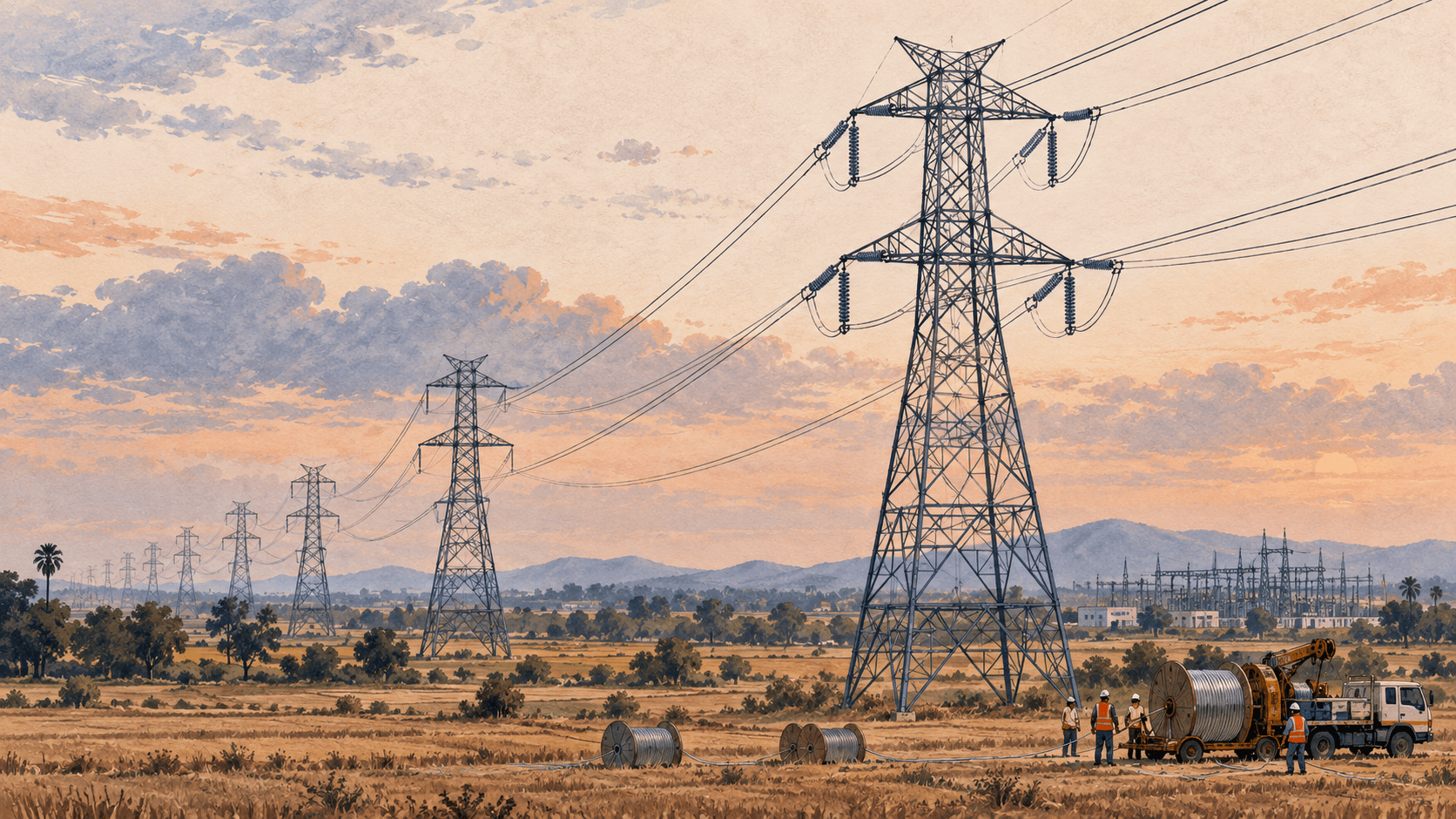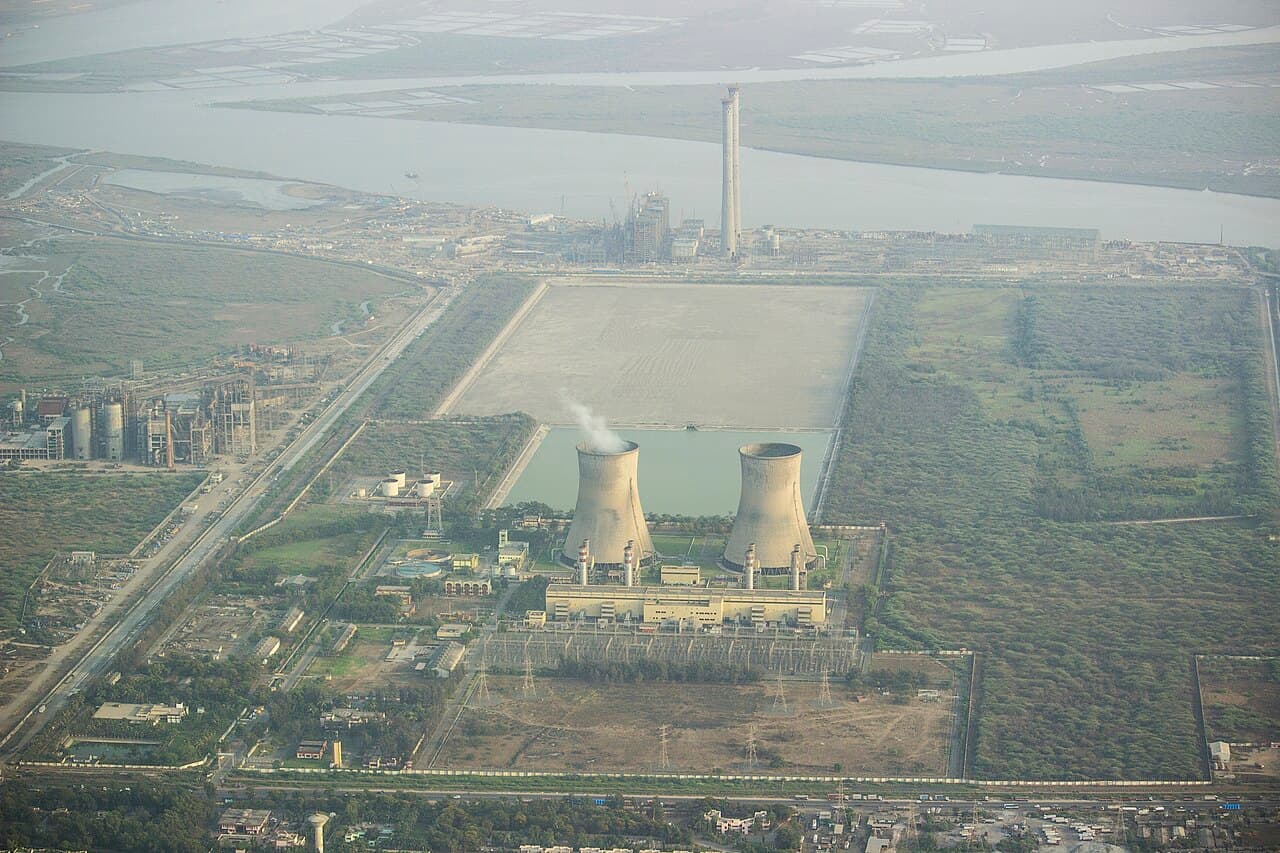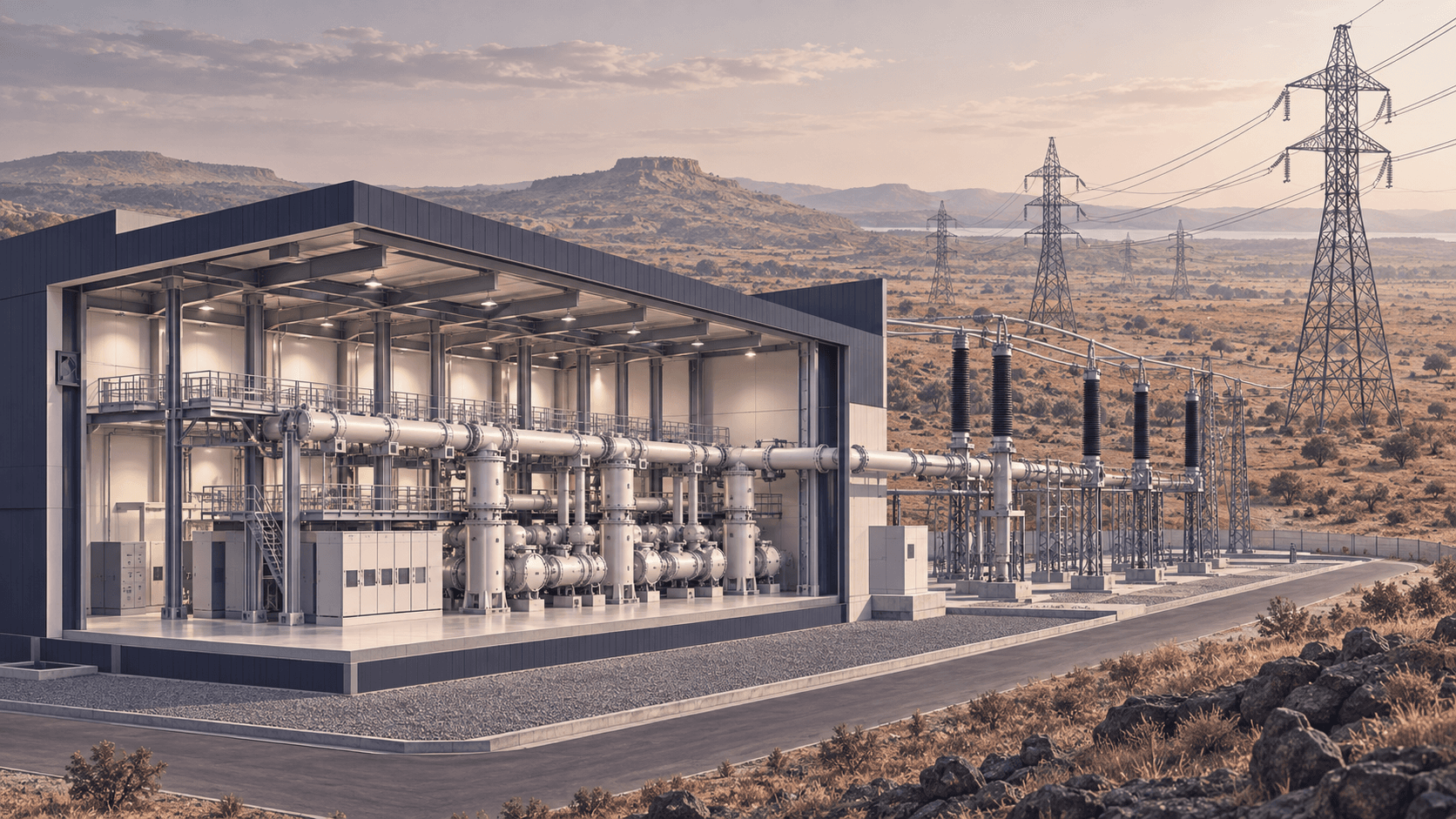
India’s latest pumped-storage update puts 15.87 GW across 11 projects in a combined construction and implementation category. For contractors and electricity buyers, the next question is how much of that capacity will reach commissioning on schedule.
The PIB backgrounder published on 19 October uses an August 2026 snapshot: 7.43 GW was operational across ten projects above 25 MW, while another 10.40 GW across eight projects had been concurred or appraised. These stages should remain separate when assessing what the grid can actually use.
Where the project work sits
A Ministry of Power parliamentary reply dated 20 July provides names behind the 15,870 MW total. Its table lists the 500 MW Kundah project in Tamil Nadu with a February 2027 target, the 1,350 MW Upper Sileru project in Andhra Pradesh with February 2029, and Karnataka’s 2,000 MW Sharavathy project with May 2032.
Maharashtra’s entries include Bhivpuri, Bhavali, Tarali and Saidongar-1 Karjat. The table therefore offers a starting point for following individual construction packages. Its commissioning dates are targets recorded in July, not a fresh confirmation that each schedule still holds in October.
What a capacity figure leaves out
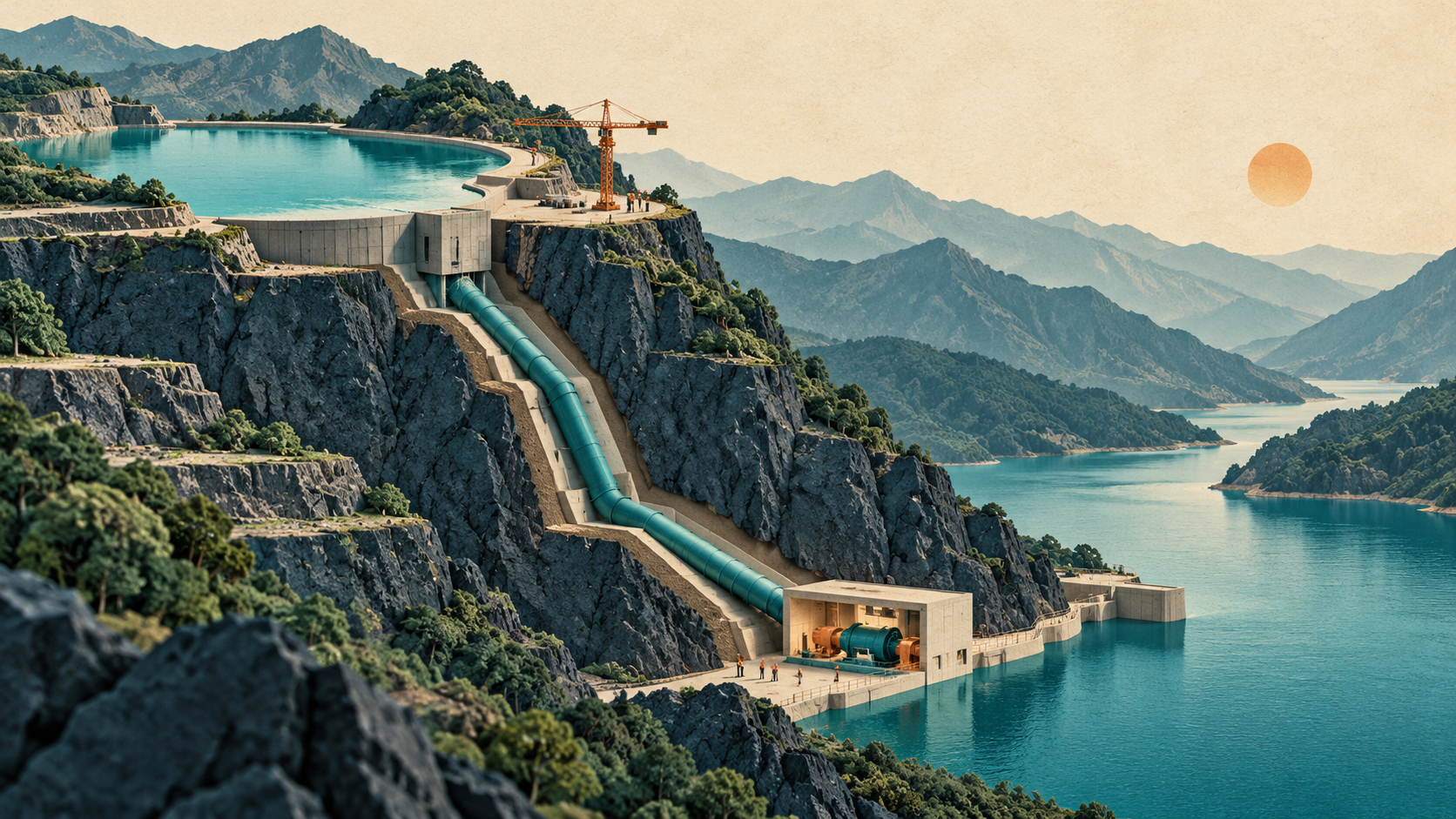
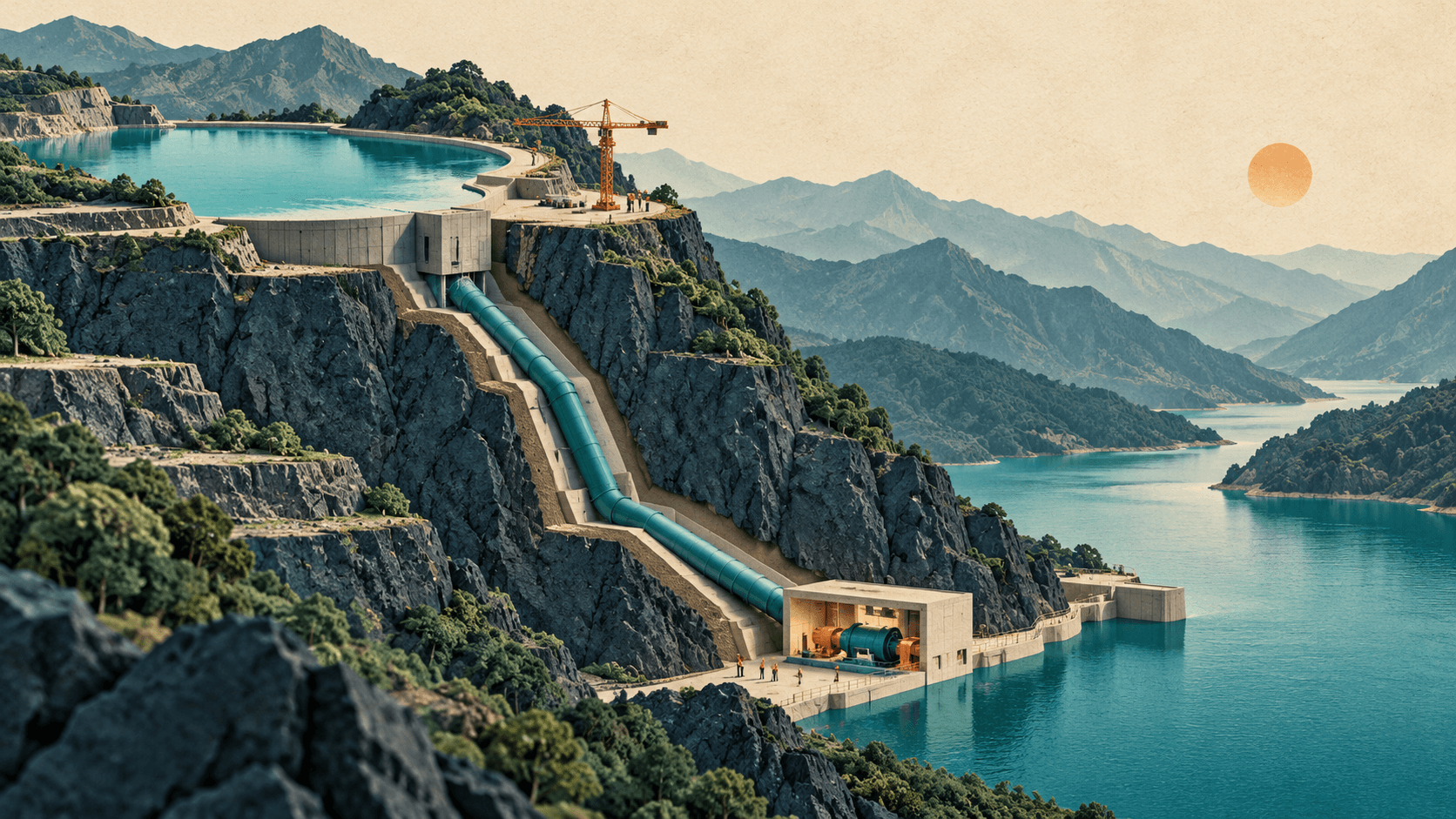
Pumped storage moves water between reservoirs at different elevations, using electricity to pump it uphill and releasing it through turbines when power is needed. The October backgrounder identifies geology, hydrology, foundations and transmission among the considerations in developing a site.
That creates several reporting questions for each scheme. Are reservoir and underground works progressing together? Has the route to the grid been secured? Which remaining work package controls the commissioning date? A national capacity total cannot answer these questions.
The July reply also records a procurement mechanism: the government issued competitive-bidding guidelines for purchasing storage capacity or stored energy on 6 February 2025. This is relevant to the commercial side of delivery. A buyer still needs to understand what service is being purchased, when it becomes available and what happens if delivery is late.
How to read the October update
The July reply calls its 15.87 GW list “under construction”; the October backgrounder uses the broader wording “under construction and/or implementation”. We retain the latter wording for the newer summary rather than treating every entry as independently verified active civil construction.
The CEA project PDFs linked from the October backgrounder were not accessible during this review. Its August totals have therefore not been independently reconciled against every project. This article uses the July table as dated project context, not as proof of current site progress.
For an owner, lender or contractor monitoring this market, the next useful evidence is a project-level progress update tied to the same commissioning target: completed work, remaining critical activities and a dated explanation of any slippage. That would make the pipeline more useful for procurement and delivery decisions.
The dated record
6 February 2025: storage procurement guidelines issued, as recorded in the July reply.
20 July 2026: Parliament receives a named project list and target dates.
August 2026: reference period for the latest capacity snapshot.
19 October 2026: PIB publishes the backgrounder summarising that snapshot.