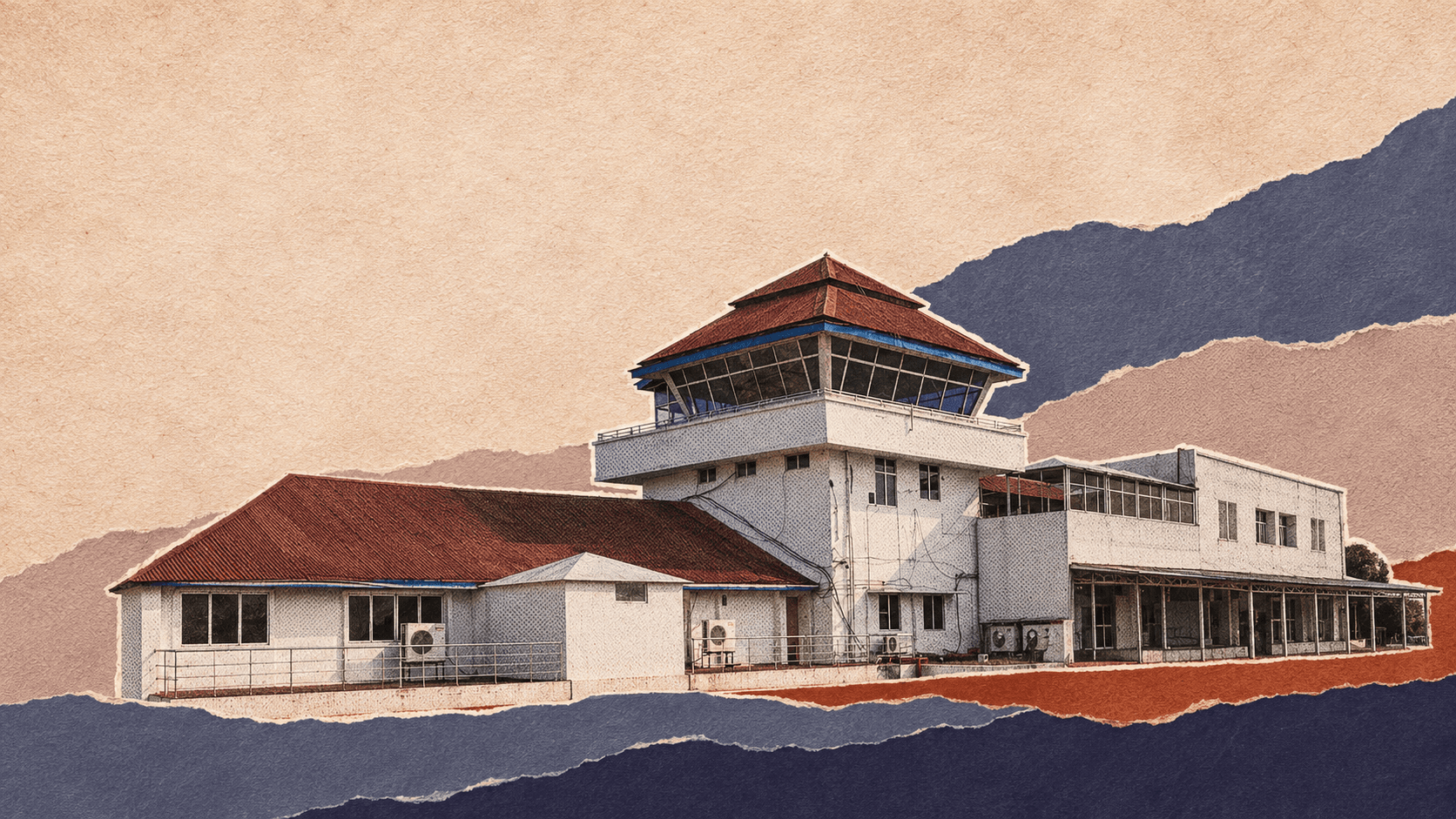
Srinagar International Airport's existing terminal was designed to handle 2.5 million passengers annually, yet it processed 4.47 million in 2024–25. For passengers travelling to Kashmir, this gap has translated into congestion and inconvenience during peak hours. The proposed ₹1,677-crore expansion is intended to address that pressure, but the challenge is not simply to build a larger terminal. Construction must take place inside an operating airport complex where the Indian Air Force (IAF) controls the runway and other core airfield infrastructure.
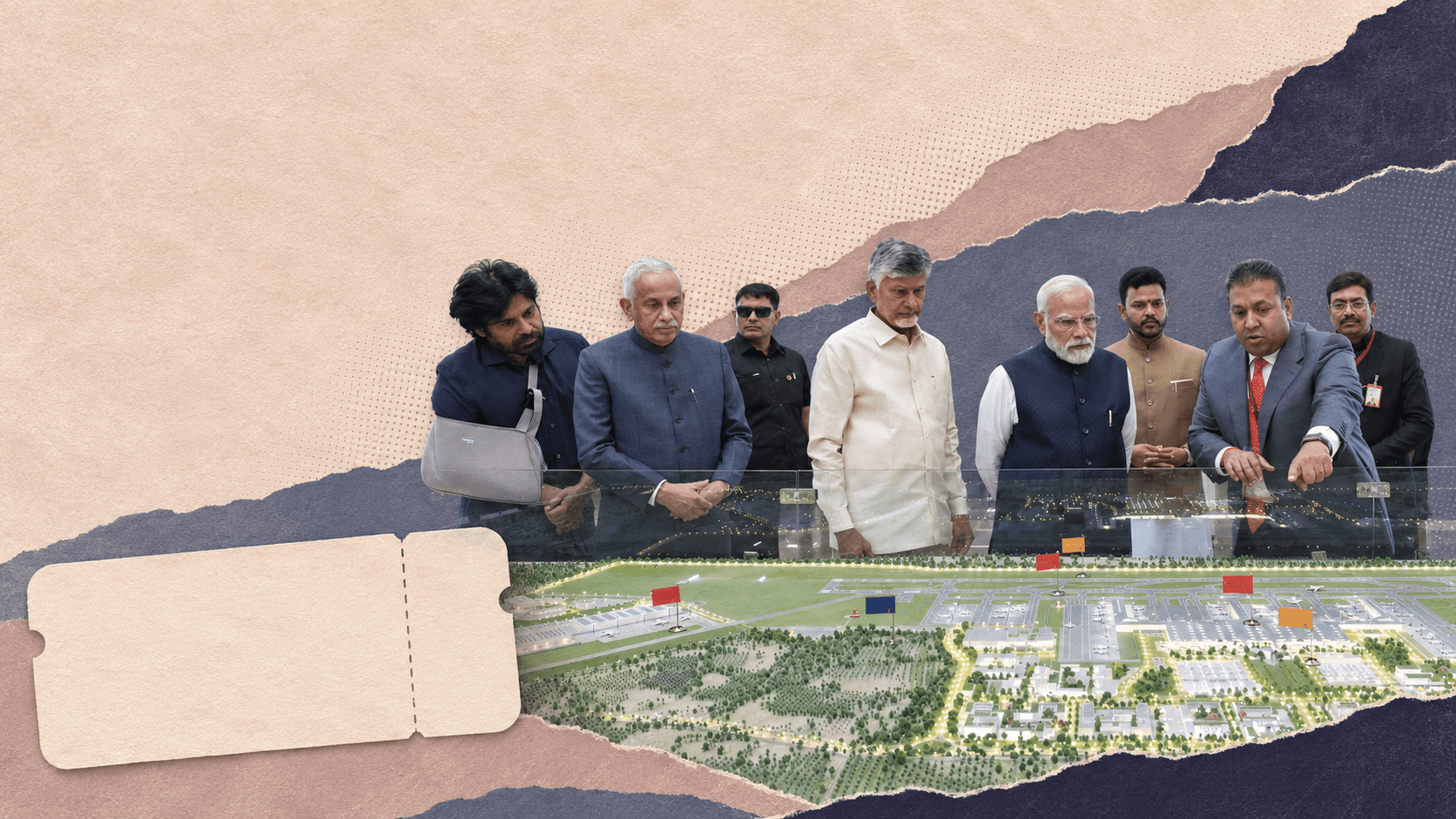
Approved in February 2026, the project proposes a 71,500-square-metre integrated terminal, 15 aircraft parking bays and multi-level parking for 1,000 vehicles. Yet, as of 24 October 2026, procurement records indicate that the project remains in the preparatory stage. The gap between approval and execution raises a more immediate question: how will AAI sequence construction without disrupting the flights on which residents, businesses and visitors depend?
Procurement is yet to reach the construction stage
The Airports Authority of India (AAI) initiated procurement for project-management consultancy in May 2026, covering the proposed terminal, allied works and apron extension. The first tender was cancelled in August 2026 because the minimum required number of bids had not been received. AAI subsequently invited fresh bids, with the submission deadline set for 12 November 2026 and the opening date scheduled for 18 November 2026. As of 24 October 2026, the second tender remained open.
The second tender carries an estimated value of ₹937.92 crore and specifies a 1,830-day period covering pre-award activities, construction supervision and the defect-liability period. This amount relates to the consultancy procurement, not the entire ₹1,677-crore airport expansion. The distinction is important: the appointment of a project-management consultant is separate from awarding the contract for physical construction.
In October 2026, Srinagar airport director Javed Anjum identified 31 July 2029 as the target completion date. An earlier National Infrastructure Pipeline entry also listed July 2029. Separately, a 9 September 2026 report in Kashmir Observer, citing information submitted by the Jammu and Kashmir administration to the Ministry of Home Affairs, referred to 2031 as the target. The airport director's October statement provides the latest directly attributed public timeline; the 2031 reference is a separately reported administrative timeline.
The airside interface will shape construction
Srinagar's operating arrangement makes sequencing particularly important. AERA's September 2026 consultation paper states that the IAF operates the runway, air traffic control and fire station, while AAI manages the civilian terminal, apron and associated facilities. The airport director has said that the airport must remain operational throughout construction.
The apron extension illustrates the engineering dependencies. The existing civilian apron has nine aircraft parking bays connected to the runway by two taxiway links. The proposal adds six positions for A321-class aircraft, taking the total to 15. Associated works include approximately 24,000 square metres of pavement, a 250-metre box culvert, earth filling, a 430-metre boundary wall and relocation of an IAF perimeter road and conflicting services. AERA lists FY 2028–29 as the targeted commissioning period for the apron extension.
These are not independent work packages. Pavement construction, drainage, utility relocation and changes to the perimeter road must be coordinated with airfield access and security requirements. The construction method must therefore be assessed against the final approved phasing and airside-safety arrangements, rather than assumed from the project's overall scope.
Passenger capacity needs a consistent design basis
AERA's assessment provides a more detailed test of the capacity claims. The existing terminal, with a design capacity of 950 passengers per peak hour, had exceeded its intended capacity by FY 2018–19. Traffic subsequently reached 3.38 million passengers in FY 2025–26. AAI's proposed terminal is designed for 2,900 passengers per peak hour, but the annual-capacity figures differ across documents: the Cabinet announcement cites 10 million passengers, while AERA's technical assessment lists 7.5 million for the proposed terminal.The discrepancy matters because a larger building alone cannot determine how many passengers an airport can process. Aircraft parking, taxiway connections, passenger-processing systems and access roads must support the same demand. At a consultation with airport users, airline representatives raised concerns about traffic projections and the phasing of capital expenditure. AAI said its forecasts were based on historical growth, tourism and regional development, while defending the project as a response to long-term demand.
The proposed 1,000-vehicle car park and a dedicated access corridor connecting the airport with Srinagar's Ring Road are intended to improve landside movement. However, the reviewed material does not provide a quantified road-capacity forecast against projected passenger growth. The adequacy of these facilities therefore remains a separate consideration from terminal capacity.
Sustainability and supporting facilities
The project includes water harvesting, greater use of natural light, locally sourced environmentally friendly materials and a target five-star GRIHA rating. It also provides for security-personnel accommodation. AERA's regulatory assessment also records earlier delays in the apron-extension project, attributing them to the time taken to obtain Public Investment Board and Cabinet Committee on Economic Affairs approvals. The apron expenditure was subsequently carried forward into the current regulatory period. This history reinforces the need to track approvals, procurement and execution as separate milestones.
For passengers, the immediate test is whether congestion can be relieved without compromising day-to-day airport operations. For the infrastructure industry, the test is whether terminal construction, airside works, access improvements and security requirements can be delivered as one coordinated programme. The next evidence of progress will be the consultancy outcome, the main works award and an approved construction-phasing plan. Until those are established, the announced capacity and completion date remain project targets rather than demonstrated delivery outcomes.