At a Janmashtami Dahi-Handi celebration, a group of Govindas formed a human pyramid beneath a handi suspended between two high-rise buildings. A climber reached the top and broke it. The effort depended on people in different positions, with different tasks, moving towards one goal.
Construction projects depend on the same kind of coordination. A project manager may lead architects, structural and planning engineers, quantity surveyors, procurement and site managers, quality and BIM teams, contract managers, client representatives and other stakeholders. Each function has its own responsibilities. The manager has to make those responsibilities serve the project's common goal.
That goal needs to be clear enough to guide daily decisions. Project managers should be able to answer three questions with their teams: What are we trying to achieve? How will we achieve it? Why does it matter? Involving the team in the plan helps turn a broad target into work people can act on. The project manager can then translate it into milestones and show how each function contributes to cost, quality, safety, schedule and client satisfaction.
A milestone should make the handoff clear as well as the date. The team can agree who owns the next action, what information that person needs and what must be checked before work moves ahead. If a drawing, sequence or approval changes, the project manager can ask which other functions depend on it. This makes the plan useful in coordination meetings, where teams can see a delay or change while there is still time to adjust their work.
Trust grows when people know what others need from them and can raise a problem early. Alignment meetings at the start of design and planning give teams a place to clarify interfaces before those gaps become disputes or rework. The project manager should make room for each discipline's expertise and bring construction, procurement and commissioning teams into planning while decisions can still be changed.
An interface review can begin with a few direct questions: what does each team need from another, who will provide it, and when? The answers help expose a missing decision or dependency before it reaches the site. The review gives people a shared place to raise uncertainty and assigns someone to follow it through.
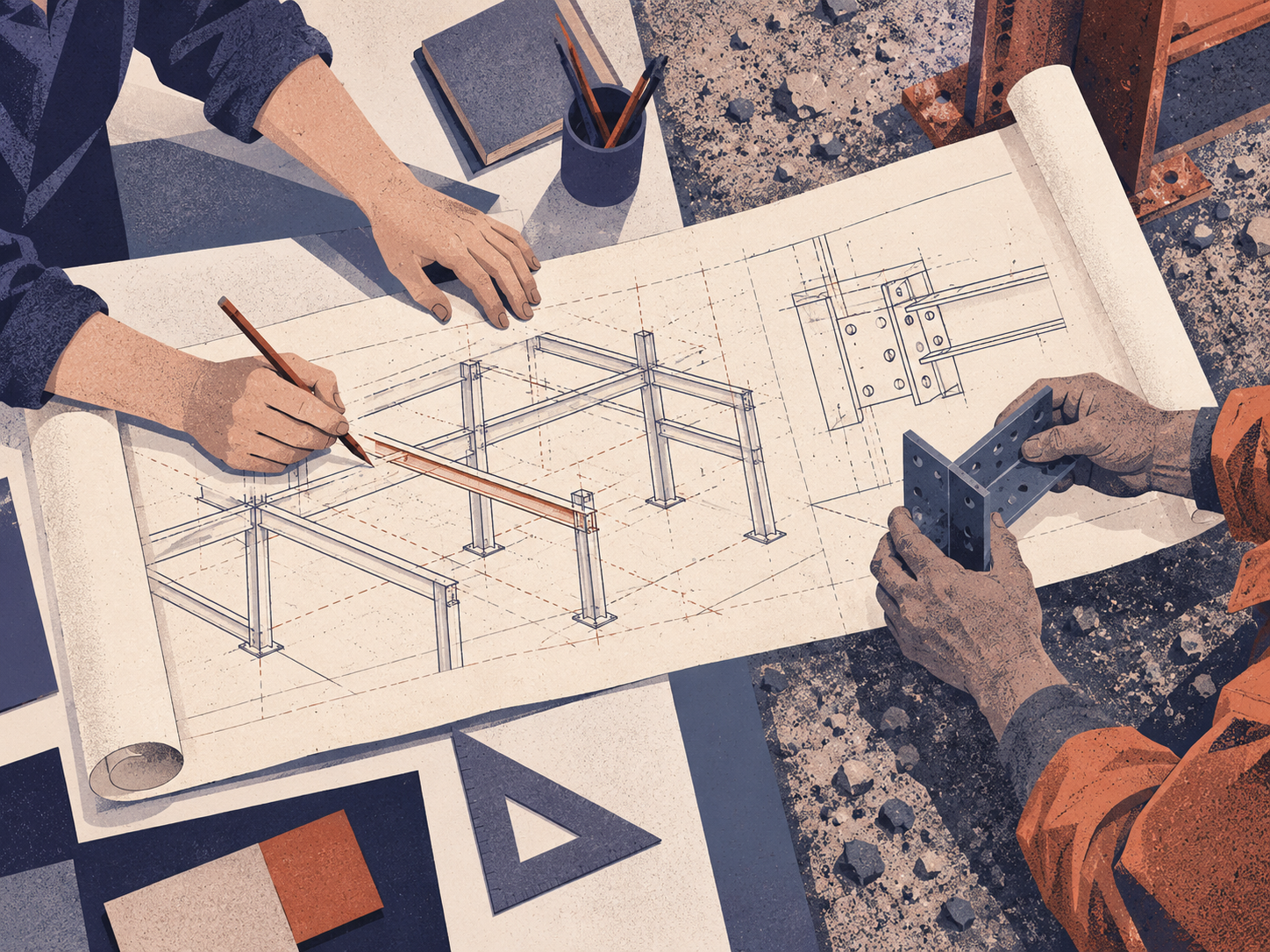
Communication needs a clear route and a record people can check. Regular coordination meetings and progress reviews help; digital collaboration tools such as BIM 360 and Procore can support the exchange of information. Teams still need to record design changes, approvals and risk decisions so that everyone can see what changed and who is responsible for the next step.
A useful record identifies the issue, the drawing or decision involved, its effect on the work, the person responsible and the next review date. If a decision remains open, the record should say what is still needed and who can resolve it. That way, a meeting ends with actions people can follow, rather than a list of concerns that returns unchanged the next week.
The message should fit the person receiving it. Engineers may need a data-rich report. A client may need a visual progress summary. In either case, project managers should keep communication clear, complete and specific, then check that the recipient understands what action is required.
People also need to know where their responsibility begins and ends. A RACI chart can identify who is responsible, accountable, consulted and informed for a decision or task. It can also expose gaps between functions. In my Management Development Programme sessions, construction professionals have told me that they are sometimes unsure what their role requires. That uncertainty can slow decisions and leave work unattended.
The chart works best when it reflects the decisions the team actually has to make. Project managers can use it to check ownership of approvals, information handoffs and issue closure, then revisit it when responsibilities or project stages change. Clear decision ownership tells the team where to take a disagreement and who can resolve it.
Disagreement is part of a cross-functional project. Different teams bring different constraints to the table. A project manager should address a disagreement early and give the teams a way to examine the project data, specifications and shared goal together. They can identify which facts are agreed, what information is missing and who has authority to decide. A difference of view can improve a decision when the team tests it openly.
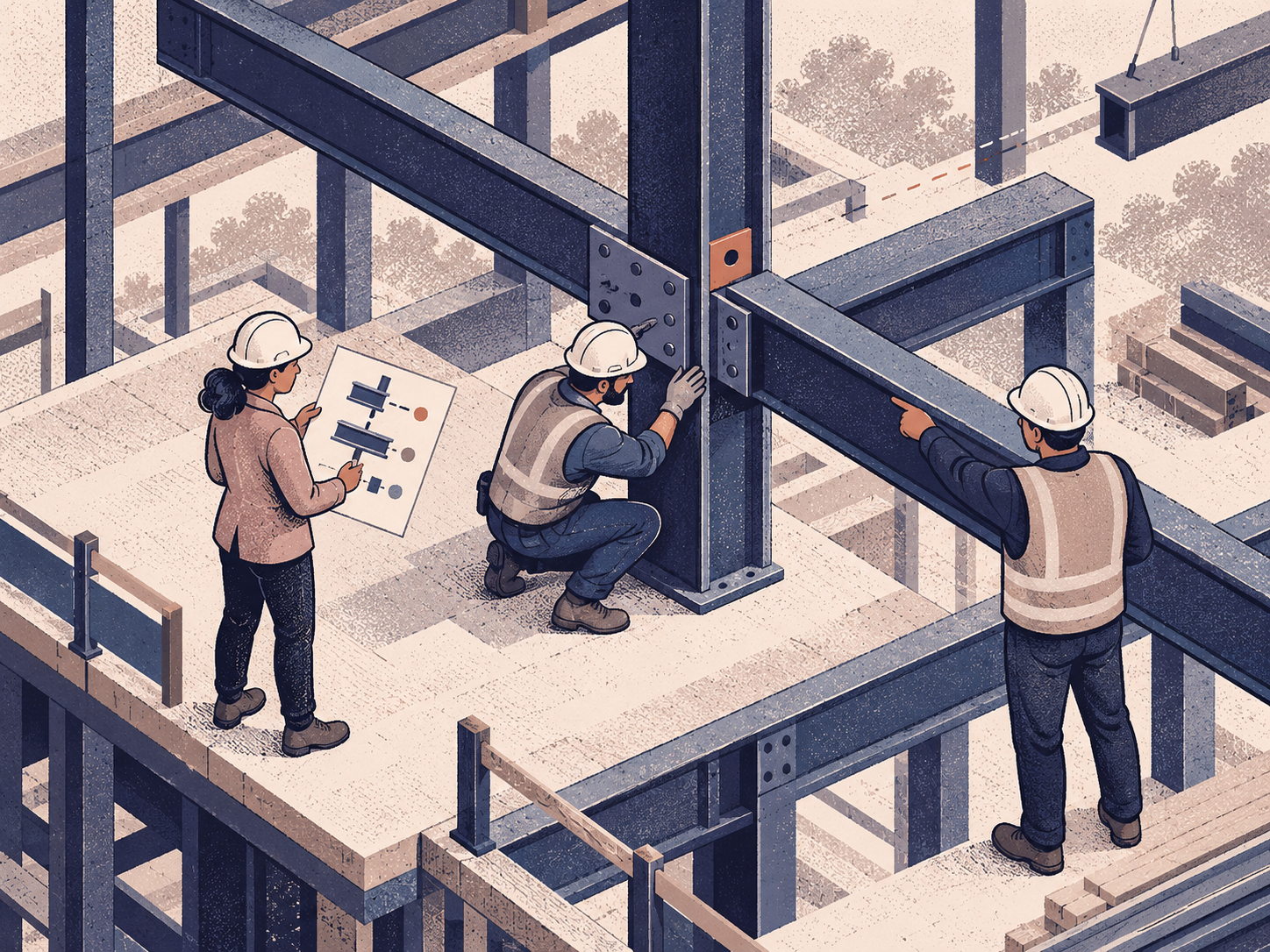
When a human pyramid falls, the group can regroup and try again. Construction teams need a more careful response to failure because a failed test, an unsafe act or rework can carry real consequences. The team should establish what happened, what needs to change and who must act before work resumes.
A review should lead to a change the team can see: an updated drawing, sequence, check or assigned action. The project manager can then confirm that the change reached the people who rely on it. Without that follow-through, the same gap can appear in another handoff.
Project managers set the tone by how they work. They can show accountability by keeping commitments, admitting mistakes and remaining available to the people doing the work. Regular site visits and direct conversations with the different functions help a manager understand where the plan is meeting resistance. At each review, the manager can ask what changed, who depends on it and who owns the next step.
At each handoff, the project manager can ask the next owner to confirm the drawing, decision and due date they are working from. If any part is unclear, the team has a specific gap to resolve before work moves to the next function.