Indian tunnel contractors have a new equipment-procurement date to check: 18 November 2026. China’s newly announced export controls cover tunnel-boring machines and specified components, making the proposed supply route and shipment documentation part of the delivery review.
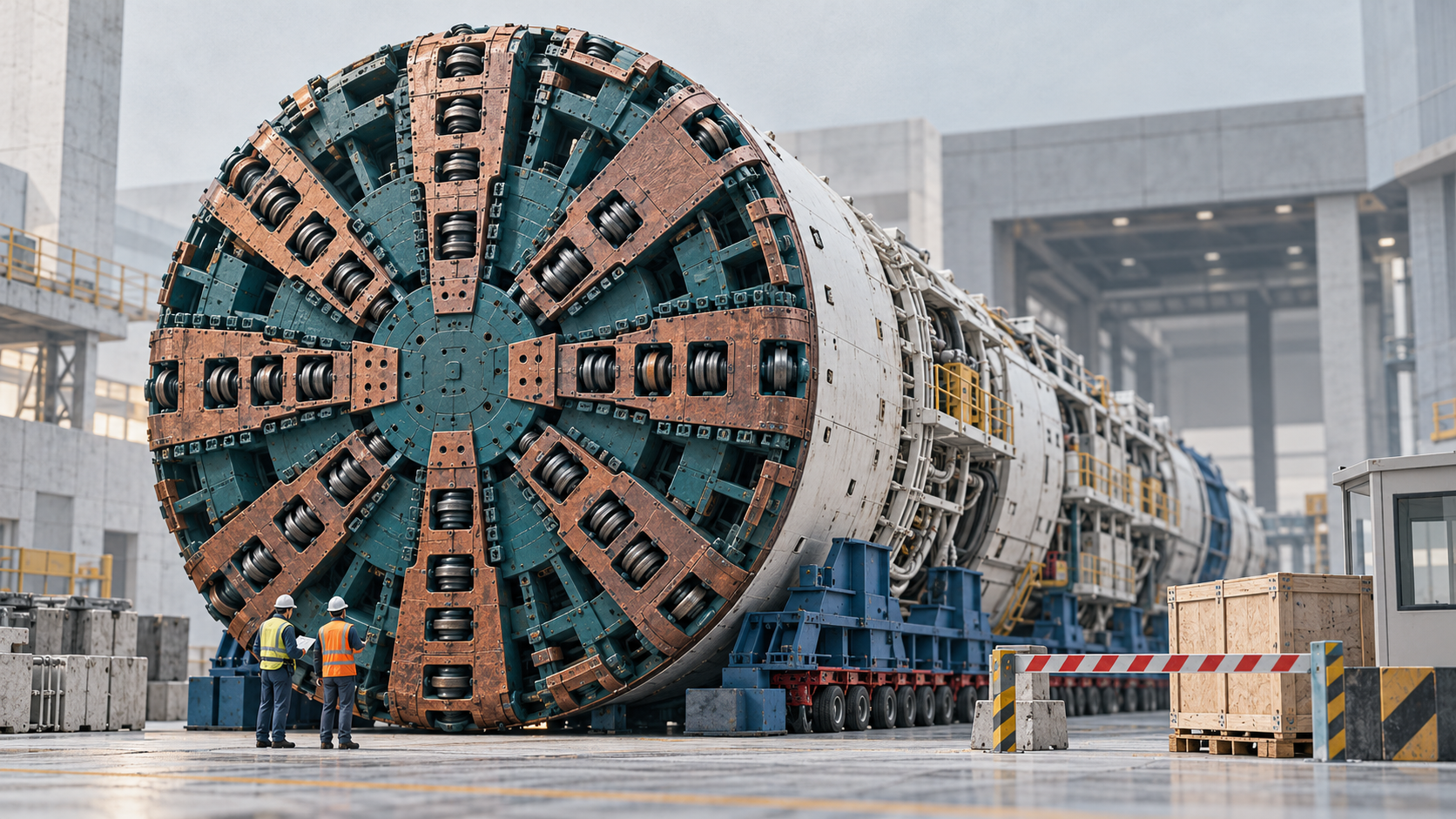
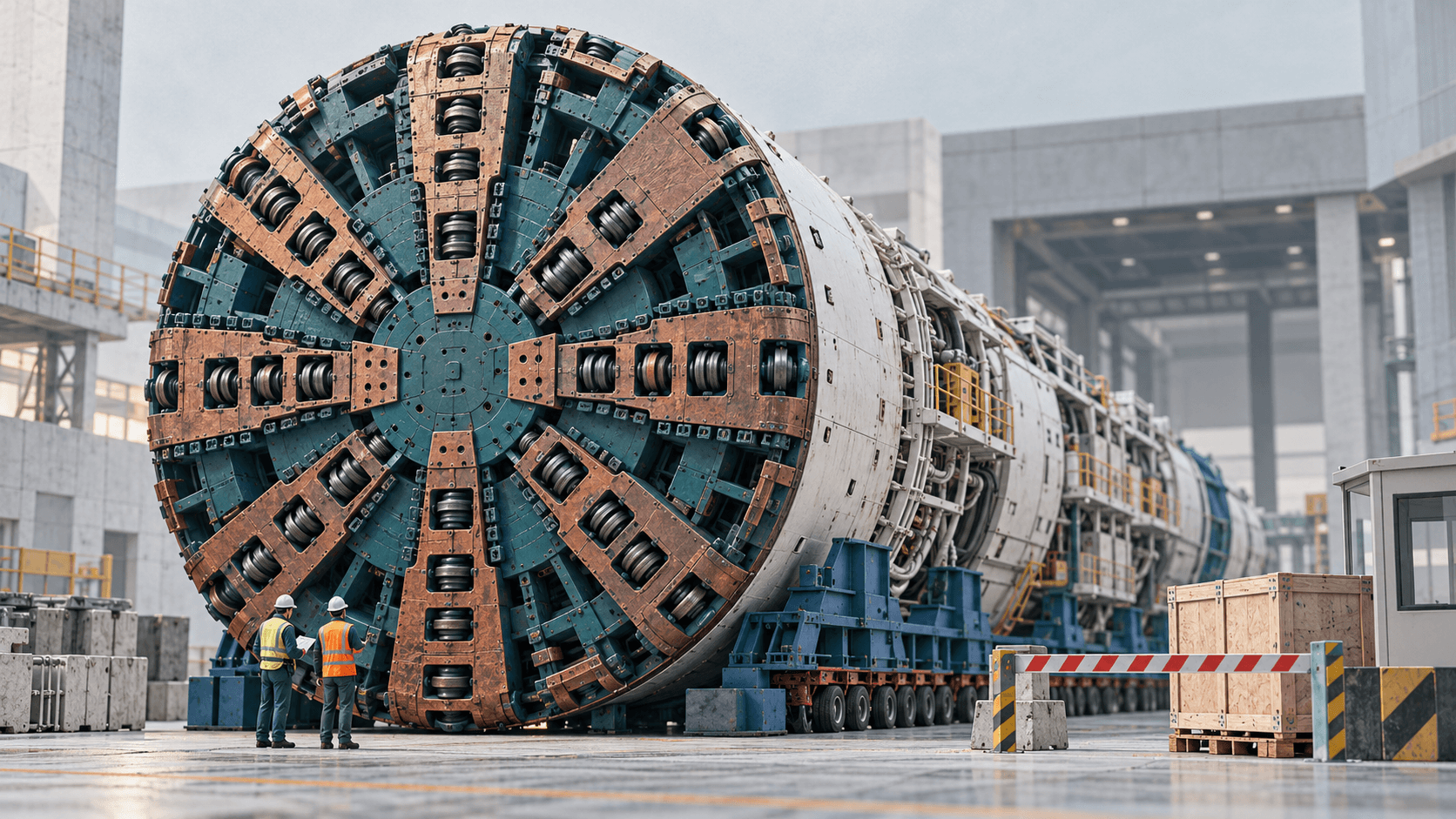
The 19 October notice from China’s Ministry of Commerce and General Administration of Customs covers full-face machines, including earth-pressure-balance, slurry and hard-rock types. Listed parts include cutterheads and cutters, screw conveyors, segment erectors and main-drive systems. Certain remanufacturing technology is also covered.
What the notice establishes
The Chinese-language notice sets out a licensing route for exports to sensitive countries and regions that have disputes with China. For other destinations, it provides a registration-based export-document route and commitments restricting onward transfers. It also addresses transfers of Chinese-origin controlled items by organisations and individuals outside China.
India is not named in the text reviewed. The notice therefore cannot, by itself, establish how a particular Indian shipment will be treated. It also does not prove that any Indian project has already been delayed.
In a separate statement on 19 October, the ministry said it would review export applications and approve those meeting the applicable requirements. That statement describes a review process; it offers no shipment-specific decision for an Indian buyer.
Why the component list deserves attention
A procurement review focused only on a complete new machine could miss a replacement assembly or a refurbished unit. The practical starting point is a line-by-line equipment list, matched by the supplier to the notice’s control entries.
For a machine awaiting dispatch, the owner should be able to identify the manufacturing location, exporter, intended end user, required documentation and planned shipment date. For an operating machine, the equivalent exercise concerns upcoming replacement parts and the stock already available at site.
This is a proposed reporting and procurement check, not a finding that every listed component at an Indian site needs a new licence. Classification and shipment treatment require confirmation for the actual item and transaction.
Translate uncertainty into a programme question
The schedule exposure depends on when a project needs the equipment. A machine delivery before a planned launch, a replacement drive needed during excavation and a later refurbishment have different consequences. Each needs its own required-on-site date and documented supply position.
A useful project update would state which item is exposed, whether an application is required, when it was submitted and what construction activity depends on delivery. Without those records, a national delay estimate would be speculation.
Changing the supplier is also a project-specific engineering decision. The alternative must be assessed against the ground conditions, tunnel geometry, supporting equipment and contract obligations. The announcement alone cannot establish that a substitute is available or suitable.
The next milestone is the 18 November effective date. Before then, the evidence to seek is written supplier classification and dispatch confirmation for named equipment packages. After implementation, licence decisions and actual shipment records will show whether procurement schedules have changed.
The dated record
19 October 2026: China publishes Announcement No. 50 and a ministry explanation.
21 October 2026: both original Chinese-language documents checked for this report.
18 November 2026: the announced controls take effect.