Decoding the Disciplines: PM vs CM
Project Management: The Strategic Framework
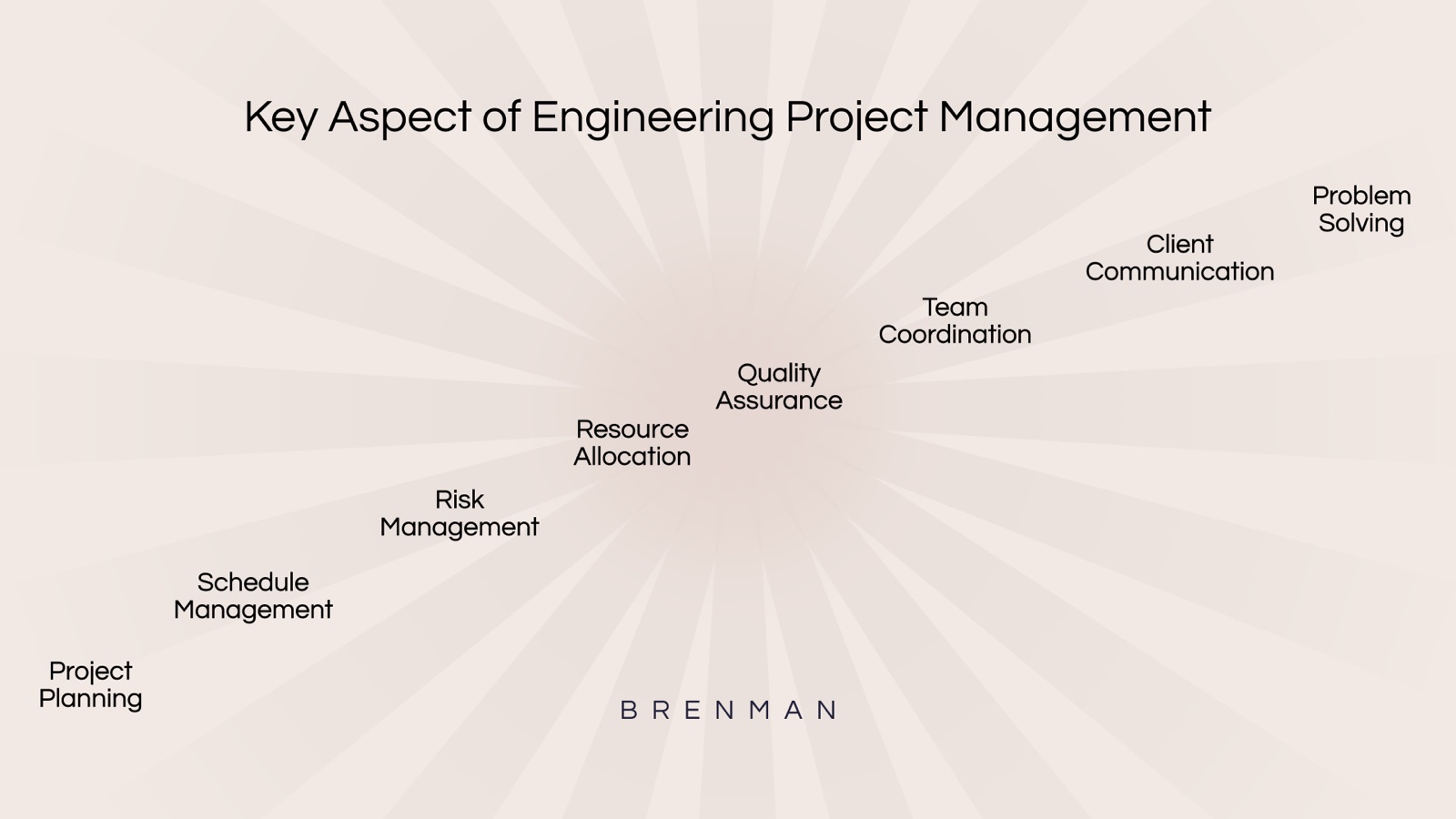
Project Management (PM) provides the overall structure for a project's success. It sets clear objectives, defines deliverables, and manages expectations between clients, teams, and regulators.
PM has two key pillars:
- Risk Management — Identifying and addressing potential issues before they become problems.
- Quality Assurance — Ensuring that all deliverables meet or exceed the required standards.
Real-world application: The Delhi Metro's Phase IV expansion is a perfect example, coordinating 45 stations across 3 corridors while managing over 22,000 stakeholders using PM principles.
Construction Management: The Tactical Execution
Construction Management (CM) focuses on turning plans into reality. It handles resource allocation, such as optimizing labor, materials, and equipment, and ensures that work stays on schedule. CM also has two key pillars:
- Safety Compliance — Ensuring a safe work environment by following safety standards and regulations.
- Quality Control — Testing materials and inspecting structures to maintain high construction standards.
Industry insight: L&T's work on Mumbai's Coastal Road shows CM in action, with daily tracking of 3 different work packages to keep things moving smoothly.
The Integration Imperative
The best projects integrate both PM and CM.
- PM ensures the "what" and "why"
- CM handles the "how" and "when"
Together, they ensure projects are completed on time, within budget, to specification, safely, and sustainably.