Introduction
Project planning in construction is more than just drawing Gantt charts or estimating costs. It's the process of defining how to execute, monitor, and control a project to ensure delivery within scope, time, and budget.
Key Elements of Project Planning
- Setting objectives and defining project deliverables
- Identifying roles and responsibilities
- Scheduling activities and allocating resources
- Planning for quality, communication, risks, and procurement
The Role of Planning Engineers: A Call for Method Thinking
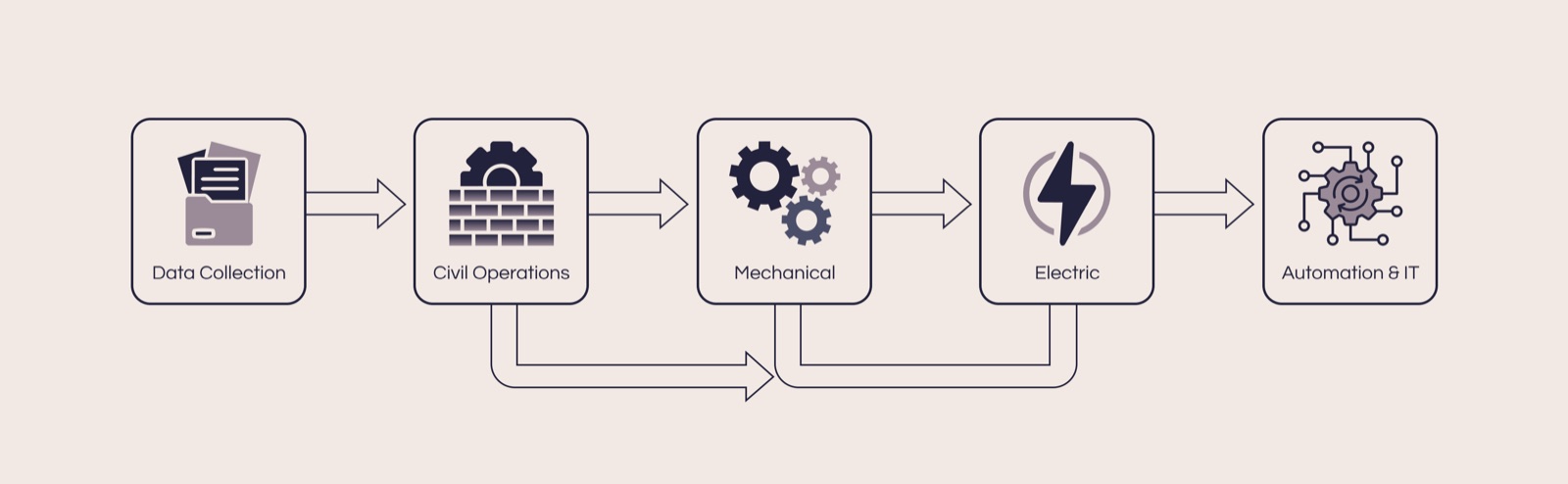
Traditionally, planning engineers focus on time and cost, but that's only part of the picture. Construction requires more than just charts—it requires engineers who can conceive construction methods and actively contribute to site strategy.
Unfortunately, many engineers are not trained to develop method statements or conduct practical planning. This gap is a critical weakness in the industry.
A Sequential Framework for Construction Methodology
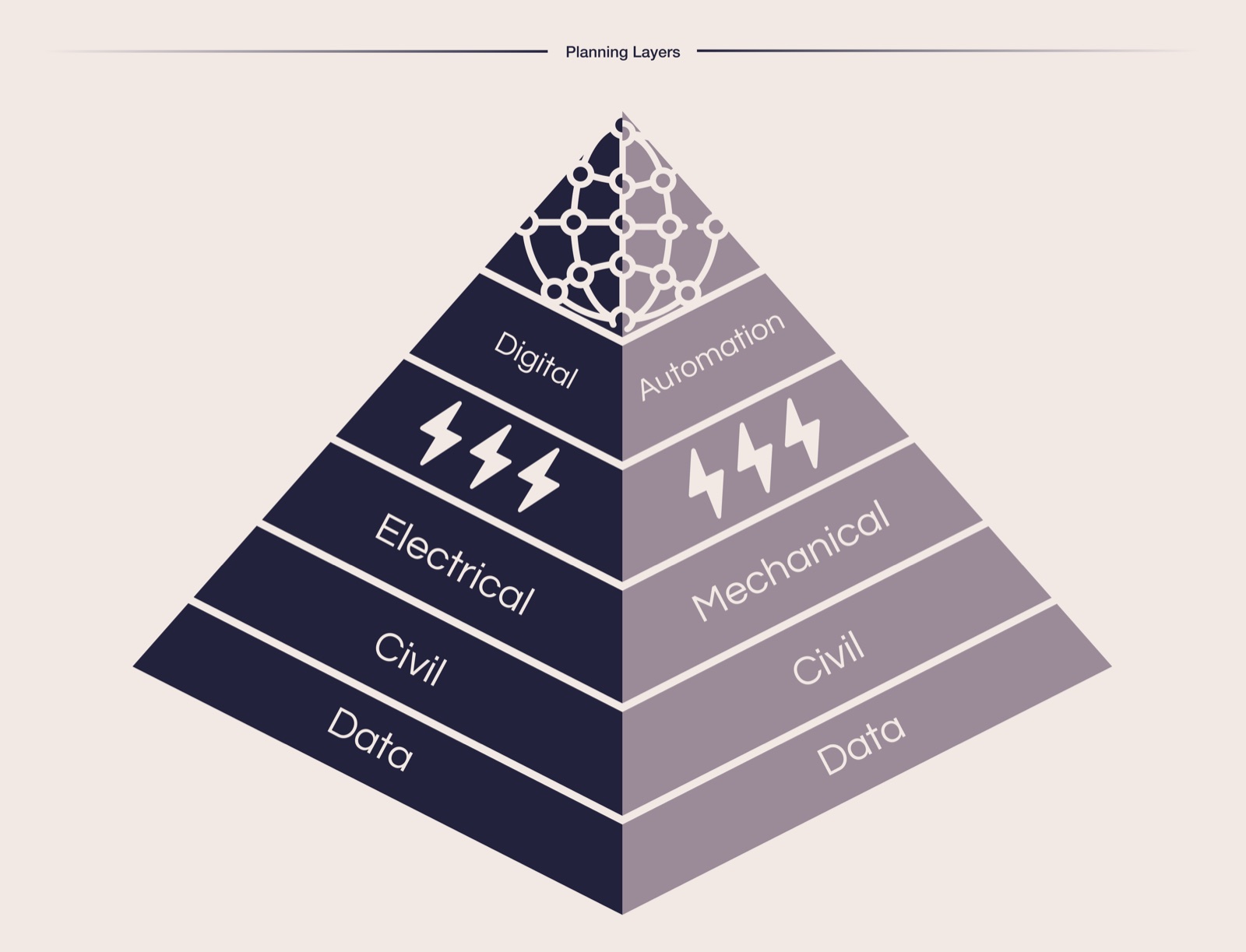
To bridge this gap, we introduce a simple, five-step framework for developing and implementing effective construction methods—regardless of project type.
1. Data Collection & Surveying
Gather all the relevant site-specific data:
- Topography
- Soil conditions
- Right of Way (ROW)
- Existing utilities and constraints
2. Civil Operations
Define the essential building blocks:
- Concrete, steel, bitumen
- Sequence of work (foundation to finish)
- Tolerances and benchmarks
This is where quality control begins.
3. Mechanical Operations
Use equipment to mechanize civil activities: